Cavitywall Insulation Ireland

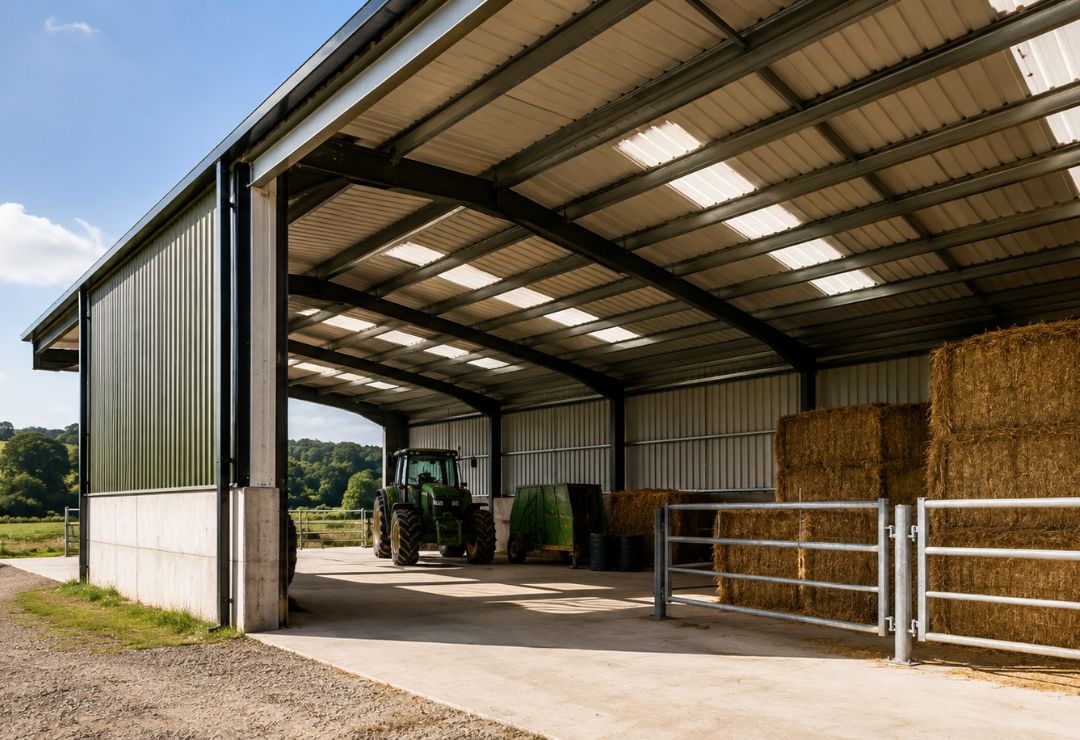
Best Insulation for Farm Sheds A Complete Guide for Irish Farmers

Best Insulation for Farm Sheds A Complete Guide for Irish Farmers

Farm sheds play a vital role in modern agriculture. They protect livestock, machinery, equipment, feed, and harvested crops throughout the year. However, many sheds lose heat during winter and become excessively warm during summer because of poor insulation.

Choosing the best insulation for farm sheds improves energy efficiency, protects valuable assets, and creates a healthier environment for livestock. Moreover, proper insulation reduces moisture problems while extending the lifespan of agricultural buildings.

If you own a farm in Ireland, investing in quality insulation delivers long-term savings and better building performance.

Why Farm Shed Insulation Matters

Farm buildings face changing weather conditions every season. Without proper insulation, indoor temperatures fluctuate significantly.

Good insulation helps by:

  • Reducing heat loss
  • Keeping buildings cooler during summer
  • Lowering energy consumption
  • Preventing condensation
  • Protecting machinery and stored crops
  • Creating comfortable livestock housing
  • Improving building durability

As a result, farmers spend less on heating while maintaining healthier indoor conditions.

Common Problems in Poorly Insulated Farm Sheds

Many agricultural buildings experience similar issues when insulation is missing.

These include:

  • Condensation on metal roofs
  • Rust formation
  • Damp walls
  • Mould growth
  • Frozen water pipes
  • Increased heating expenses
  • Poor livestock comfort
  • Damage to stored feed

Fortunately, installing the right insulation solves most of these problems.

What Is the Best Insulation for Farm Sheds?

Several insulation materials exist. However, not every solution performs equally well inside agricultural buildings.

Spray Foam Insulation

Spray foam insulation remains one of the most effective options for Irish farm sheds.

It expands after application, sealing every small gap and crack.

Benefits include:

  • Excellent thermal performance
  • Complete air sealing
  • Moisture resistance
  • Reduced condensation
  • Long service life
  • Strong adhesion to steel, timber, and concrete

Unlike traditional insulation boards, spray foam creates one continuous protective layer.

Comparison of Farm Shed Insulation Options

Insulation Type

Thermal Performance

Moisture Resistance

Lifespan

Maintenance

Spray Foam

Excellent

Excellent

30+ Years

Very Low

Fiberglass

Good

Low

Moderate

Medium

Mineral Wool

Good

Moderate

Long

Medium

Rigid Boards

Very Good

Good

Long

Moderate

Spray foam delivers the strongest combination of insulation, moisture protection, and durability.

Benefits of Spray Foam Insulation for Agricultural Buildings

Improved Energy Efficiency

Heating costs decrease because warm air stays inside longer.

Moisture Control

Spray foam prevents condensation, which helps protect steel structures and roofing panels.

Better Livestock Comfort

Stable temperatures improve animal welfare throughout every season.

Stronger Building Protection

The insulation reinforces roofing sheets while reducing exposure to moisture damage.

Lower Maintenance Costs

Because condensation decreases, farmers spend less repairing corrosion and mould damage.

Is Spray Foam Suitable for Every Farm Shed?

Yes. Spray foam works well in various agricultural buildings, including:

  • Livestock sheds
  • Dairy units
  • Poultry houses
  • Machinery storage
  • Grain storage
  • Feed storage buildings
  • Workshops
  • Equipment sheds

Each building benefits from improved temperature control and reduced moisture.

Why Irish Farmers Choose Professional Installation

Proper installation determines insulation performance.

Experienced installers ensure:

  • Complete coverage
  • Correct foam thickness
  • Safe application
  • Maximum thermal efficiency
  • Long-lasting results

Professional installation also minimizes waste while delivering consistent insulation throughout the building.

Farm Shed Insulation Services from Cavity Wall Insulation Ireland

Cavity Wall Insulation Ireland provides professional insulation solutions for agricultural buildings across Ireland.

The team specializes in:

  • Agricultural spray foam insulation
  • Farm shed insulation
  • Roof insulation
  • Attic insulation
  • Cavity wall insulation
  • Home insulation solutions

Every project receives careful planning, quality materials, and expert installation. The result is a warmer, more energy-efficient building that performs reliably throughout the year.

Whether you own a small machinery shed or a large livestock facility, the experienced team delivers insulation solutions designed for long-term performance.

Signs Your Farm Shed Needs New Insulation

Your building may require insulation if you notice:

  • Water droplets on the roof
  • Cold indoor temperatures
  • Rising heating bills
  • Damp smells
  • Rust forming on metal surfaces
  • Mould growth
  • Uneven temperatures
  • Excessive drafts

Addressing these issues early prevents expensive repairs later.

Frequently Asked Questions

What is the best insulation for farm sheds?

Spray foam insulation is widely considered one of the best options because it provides excellent thermal performance, moisture protection, and air sealing.

Does spray foam reduce condensation?

Yes. Spray foam creates an airtight barrier that significantly reduces condensation inside agricultural buildings.

How long does spray foam insulation last?

Professionally installed spray foam can last over 30 years with very little maintenance.

Can spray foam insulate old farm sheds?

Yes. Spray foam works well in both new and existing agricultural buildings, making it an excellent upgrade for older sheds.

Is farm shed insulation worth the investment?

Absolutely. Better insulation lowers energy costs, protects equipment, reduces maintenance, and improves indoor comfort for livestock.

Choose the Best Insulation for Your Farm Shed Today

Investing in the best insulation for farm sheds improves energy efficiency, reduces condensation, and protects valuable agricultural assets for years.

If you’re looking for reliable insulation services in Ireland, Cavity Wall Insulation Ireland offers professional agricultural spray foam insulation, roof insulation, attic insulation, and cavity wall insulation tailored to your property’s needs.

Contact the team today and discover how expert insulation can make your farm buildings warmer, stronger, and more efficient throughout every season.

Best Ways to Improve BER Ratings in Ireland

Best Ways to Improve BER Ratings in Ireland

A good BER (Building Energy Rating) helps homeowners save money, increase property value, and enjoy a more comfortable living space. Energy-efficient homes require less heating, which means lower utility bills throughout the year. Therefore, improving your BER rating is one of the smartest investments you can make.

Whether you plan to sell your home or simply want better energy performance, several upgrades can make a noticeable difference. This guide explains the best ways to improve BER ratings in Ireland while helping you reduce long-term energy costs.

What Is a BER Rating?

A Building Energy Rating measures how energy efficient a property is. Ratings range from A1, which represents excellent efficiency, through G, which indicates poor energy performance.

A higher BER rating offers several benefits, including:

  • Lower heating costs
  • Better indoor comfort
  • Higher property value
  • Reduced carbon emissions
  • Greater appeal for buyers

Consequently, many homeowners focus on energy upgrades before placing their homes on the market.

Why Improving Your BER Rating Matters

An energy-efficient home provides more than just savings.

Benefits include:

  • Lower monthly energy bills
  • Reduced environmental impact
  • Improved indoor temperatures
  • Less heat loss
  • Increased market appeal
  • Better return on home improvements

Moreover, many energy upgrades continue delivering savings for decades.

Best Ways to Improve BER Ratings in Ireland

1. Upgrade Cavity Wall Insulation

Walls account for a significant portion of heat loss. Therefore, installing quality cavity wall insulation can dramatically improve energy performance.

Benefits include:

  • Better heat retention
  • Lower heating costs
  • Improved indoor comfort
  • Reduced cold spots
  • Faster BER improvement

Professional installation ensures maximum effectiveness.

2. Install Spray Foam Insulation

Spray foam insulation seals small gaps where warm air escapes.

Advantages include:

  • Excellent thermal performance
  • Air leak reduction
  • Moisture resistance
  • Long lifespan
  • Improved energy efficiency

This solution works well for many residential properties seeking higher BER ratings.

  1. Improve Attic Insulation

Warm air naturally rises, making the roof one of the biggest sources of heat loss.

Adding modern attic insulation helps:

  • Reduce heating demand
  • Maintain consistent temperatures
  • Improve comfort
  • Lower energy bills

This upgrade often delivers one of the fastest returns on investment.

4. Seal Air Leaks

Small gaps around windows, doors, pipes, and loft openings allow heated air to escape.

Proper air sealing helps:

  • Prevent drafts
  • Improve insulation performance
  • Reduce heating system workload
  • Increase indoor comfort

Even minor improvements can contribute toward a better BER score.

5. Upgrade Windows and Doors

Older windows often lose significant heat.

Energy-efficient glazing provides:

  • Better insulation
  • Less condensation
  • Improved comfort
  • Reduced outside noise

Combined with insulation upgrades, this creates substantial energy savings.

6. Modernise Your Heating System

An older boiler consumes more energy than modern systems.

Energy-efficient heating options may include:

  • High-efficiency boilers
  • Heat pumps
  • Smart heating controls
  • Zoned heating systems

These improvements reduce fuel consumption while supporting higher BER ratings.

7. Install Renewable Energy Systems

Renewable technologies help reduce reliance on traditional fuels.

Popular options include:

  • Solar panels
  • Solar water heating
  • Heat pumps

Although installation costs may be higher, long-term savings are often substantial.

Comparison of BER Improvement Upgrades

Upgrade

Energy Saving Potential

BER Improvement

Long-Term Value

Cavity Wall Insulation

High

Excellent

Excellent

Spray Foam Insulation

Very High

Excellent

Excellent

Attic Insulation

High

Very Good

High

Air Sealing

Moderate

Good

High

Window Upgrades

High

Very Good

Excellent

Heating System Upgrade

Very High

Excellent

Excellent

Renewable Energy

Very High

Outstanding

Outstanding

Why Professional Insulation Makes a Difference

Proper installation is just as important as choosing quality materials. Even the best insulation performs poorly if installed incorrectly.

Professional specialists evaluate your property’s construction, recommend suitable solutions, and complete installation using proven techniques.

As a result, homeowners receive better energy performance, improved comfort, and stronger BER improvements.

Improve Your BER Rating with Cavity Wall Insulation Ireland

If you want reliable insulation services, Cavity Wall Insulation Ireland provides professional solutions designed to improve home energy efficiency across Ireland.

Our services include:

  • Spray Foam Insulation
  • Cavity Wall Insulation
  • Attic Insulation
  • Home Energy Efficiency Improvements
  • Professional Installation
  • Expert Property Assessment

Our experienced team focuses on delivering insulation solutions that reduce heat loss, lower heating costs, and improve BER ratings using high-quality materials and skilled workmanship.

Tips for Maximum BER Improvement

Follow these recommendations for the best results:

  • Upgrade insulation before replacing heating systems.
  • Seal air leaks throughout the property.
  • Maintain heating equipment regularly.
  • Choose experienced insulation professionals.
  • Schedule a BER assessment after completing improvements.

Following these steps helps maximize both comfort and energy savings.

Conclusion

Improving your BER rating is one of the most valuable investments you can make for your property. Better insulation, efficient heating, air sealing, and renewable energy systems work together to reduce energy consumption while increasing home comfort.

Among these improvements, cavity wall insulation, attic insulation, and spray foam insulation deliver some of the strongest returns. When installed professionally, these upgrades provide lasting savings and significantly improve your home’s energy performance.

If you’re ready to improve your home’s BER rating, Cavity Wall Insulation Ireland offers trusted insulation services tailored to your property’s needs. Contact our expert team today and begin your journey toward a warmer, more energy-efficient home.

Frequently Asked Questions

1. What is a good BER rating in Ireland?

Homes rated between A and B are considered highly energy efficient and typically have lower running costs.

2. Does insulation improve BER ratings?

Yes. Cavity wall insulation, attic insulation, and spray foam insulation are among the most effective upgrades for improving BER ratings.

3. Which insulation offers the biggest energy savings?

The best option depends on your property. However, professionally installed spray foam insulation and cavity wall insulation often provide excellent energy savings.

4. Will improving my BER rating increase property value?

Yes. Energy-efficient homes are generally more attractive to buyers and may achieve higher market values.

5. How quickly can insulation reduce energy bills?

Many homeowners notice lower heating costs during the first heating season after professional insulation installation.

Call to Action

Ready to improve your BER rating and reduce energy bills? Cavity Wall Insulation Ireland provides expert spray foam, cavity wall, and attic insulation services across Ireland. Contact our experienced team today for a professional assessment and discover the best insulation solution for your home.


Summer Is the Best Time to Upgrade Your Home Insulation

Summer Is the Best Time to Upgrade Your Home Insulation

Many homeowners wait until winter before thinking about insulation. However, that approach often leads to higher heating costs and rushed installation schedules. Summer offers the perfect opportunity to improve your home’s energy performance before colder weather arrives.

A summer home insulation upgrade helps your property stay cooler during warm months while preparing it for winter. Better insulation also reduces energy waste, improves indoor comfort, and protects your home for years.

If you want lower utility bills and a more comfortable living space, summer is the ideal season to begin.

Why Summer Is the Ideal Season for Insulation

Summer provides excellent working conditions for insulation projects. Dry weather allows installers to complete jobs more efficiently without delays caused by rain or freezing temperatures.

Homeowners also benefit from:

  • Faster installation appointments
  • Comfortable working conditions
  • Less disruption during the project
  • Plenty of time before winter arrives
  • Better long-term energy savings

Planning ahead means your home will already be prepared once temperatures begin to drop.

Enjoy Better Indoor Comfort

Insulation works throughout the year—not only during winter.

During summer, quality insulation reduces unwanted heat entering your home. Your rooms stay cooler for longer, making indoor spaces far more comfortable.

Once winter returns, the same insulation keeps valuable heat inside where it belongs.

As a result, your home maintains a stable indoor temperature every season.

Reduce Energy Bills

Poor insulation allows heat to escape during winter and lets excessive warmth enter during summer.

Because of this, heating and cooling systems must work harder.

A proper insulation upgrade helps:

  • Lower heating expenses
  • Reduce cooling costs
  • Improve energy efficiency
  • Minimize energy waste
  • Lower monthly utility bills

Over time, these savings often outweigh the installation cost.

Prevent Heat Loss Before Winter

Many homeowners discover insulation problems only after energy bills rise.

Choosing summer for an insulation upgrade gives plenty of time to identify weak areas such as:

  • Cavity walls
  • Loft spaces
  • Roof sections
  • Floors
  • Hard-to-reach gaps

Fixing these issues early prevents expensive heat loss during colder months.

Spray Foam Insulation Performs Year-Round

Spray foam insulation creates an effective air seal around gaps and cracks.

Unlike traditional materials, spray foam expands into difficult spaces, creating excellent thermal protection.

Benefits include:

  • Reduced air leakage
  • Improved energy efficiency
  • Better moisture resistance
  • Long-lasting performance
  • Increased indoor comfort

It continues delivering value throughout every season.

Cavity Wall Insulation Makes a Big Difference

Many Irish homes lose significant heat through uninsulated cavity walls.

Installing cavity wall insulation helps maintain comfortable indoor temperatures while reducing heating demand.

Additional advantages include:

  • Lower energy consumption
  • Improved property value
  • Less outside noise
  • Better temperature control
  • Reduced carbon footprint

Prepare Your Home Before Busy Winter Months

Autumn and winter usually become the busiest seasons for insulation companies.

Booking your project during summer means:

  • Greater appointment availability
  • Faster project completion
  • More convenient scheduling
  • Less seasonal demand

Instead of rushing before winter, your home will already be energy efficient.

Improve Property Value

Energy-efficient homes continue attracting buyers.

Modern insulation improvements contribute toward:

  • Better energy ratings
  • Lower running costs
  • Improved buyer appeal
  • Long-term investment value

Even if selling is not part of your current plans, insulation remains one of the smartest home improvements available.

Quick Comparison

Benefit

Summer Installation

Winter Installation

Installation Conditions

Dry and efficient

Weather delays possible

Scheduling

More flexible

High demand

Home Comfort

Cooler immediately

Benefits begin after installation

Winter Readiness

Fully prepared

Last-minute planning

Energy Savings

Begin sooner

Delayed savings


Why Choose Cavity Wall Insulation Ireland?

If you’re planning a summer home insulation upgrade, Cavity Wall Insulation Ireland delivers professional insulation solutions designed for long-term performance.

Services include:

  • Spray Foam Insulation
  • Cavity Wall Insulation
  • Attic Insulation
  • Agricultural Building Insulation
  • Residential Insulation Solutions
  • Energy Efficiency Improvements

Experienced specialists use quality materials and proven installation methods to help homeowners reduce energy costs while improving comfort throughout every season.

Frequently Asked Questions

Is summer really the best time for insulation?

Yes. Summer provides ideal installation conditions and prepares your home before cold weather arrives.

Does insulation help during hot weather?

Absolutely. Good insulation reduces unwanted heat entering your home, helping indoor spaces remain cooler.

Which insulation provides excellent air sealing?

Spray foam insulation creates a strong air seal that reduces drafts and minimizes energy loss.

Will insulation lower my heating bills?

Proper insulation significantly reduces heat loss, allowing your heating system to operate more efficiently.

How long does insulation last?

Most professionally installed insulation materials deliver excellent performance for many years with minimal maintenance.

Final Thoughts

Waiting until winter often means higher energy bills and limited installation availability. Choosing a summer home insulation upgrade allows you to improve comfort, increase energy efficiency, and prepare your property before temperatures fall.

Whether you need spray foam, cavity wall insulation, or attic insulation, investing during summer delivers lasting value throughout the entire year.

Ready to Improve Your Home?

Don’t wait until cold weather arrives. Contact Cavity Wall Insulation Ireland today for professional insulation services that help reduce energy costs, improve indoor comfort, and protect your home every season. Get your free consultation and start enjoying a more energy-efficient home now.

Reduce Energy Costs with Agricultural Spray Foam Insulation

Running a farm comes with rising operational expenses. Energy bills continue growing while buildings require reliable protection from changing weather conditions. One proven solution delivers long-term savings without compromising comfort or durability. Agricultural spray foam insulation helps farmers reduce heat loss, improve indoor conditions, and lower energy consumption throughout the year.

Whether you own livestock buildings, machinery sheds, grain storage facilities, or workshops, proper insulation creates a more energy-efficient environment. It also protects valuable equipment and supports healthier conditions for animals.

Why Energy Efficiency Matters for Agricultural Buildings

Agricultural buildings usually have large open spaces, metal roofing, and wide wall surfaces. These features allow significant heat transfer if insulation remains poor.

Without quality insulation, farms often experience:

  • High heating expenses
  • Increased cooling costs during warmer months
  • Moisture build-up
  • Condensation problems
  • Temperature fluctuations
  • Reduced building lifespan

Spray foam insulation addresses these issues by creating a continuous insulation layer with excellent thermal performance.

How Agricultural Spray Foam Insulation Works

Spray foam expands immediately after application. It fills cracks, joints, and hard-to-reach spaces that traditional insulation materials often miss.

This seamless barrier helps:

  • Reduce air leakage
  • Improve thermal efficiency
  • Prevent moisture penetration
  • Strengthen building structures
  • Minimise heat loss

Consequently, heating and cooling systems work less, resulting in noticeable energy savings.

Benefits of Agricultural Spray Foam Insulation

Lower Energy Bills

Heating large farm buildings consumes significant energy. Spray foam reduces unwanted heat loss, allowing indoor temperatures to remain stable for longer periods.

As a result, energy usage decreases while monthly utility expenses become more manageable.

Better Temperature Control

Consistent temperatures benefit both livestock and stored products.

Stable indoor conditions help:

  • Improve animal comfort
  • Protect harvested crops
  • Maintain machinery performance
  • Reduce stress caused by extreme weather

Moisture and Condensation Protection

Condensation causes rust, mould, timber damage, and corrosion. Spray foam forms an effective moisture barrier that limits water vapour entering the structure.

Therefore, buildings remain cleaner, healthier, and easier to maintain.

Longer Building Life

Excess moisture slowly weakens roofing materials and structural components.

Spray foam helps preserve:

  • Steel roofs
  • Timber frames
  • Interior walls
  • Storage facilities

Consequently, repair costs decrease over time.

Fast Installation

Agricultural buildings often require minimal operational disruption.

Professional installers complete most projects efficiently, allowing normal farm activities to continue quickly.

Ideal Buildings for Spray Foam Insulation

Agricultural spray foam works well across many farm structures, including:

  • Livestock housing
  • Dairy units
  • Poultry buildings
  • Machinery sheds
  • Grain stores
  • Workshops
  • Hay storage facilities
  • General farm buildings

Every building gains improved thermal efficiency and greater protection.

Energy Savings Comparison

Building Feature

Without Spray Foam

With Spray Foam

Heat Loss

High

Very Low

Energy Consumption

Higher

Lower

Indoor Temperature

Unstable

Consistent

Condensation Risk

High

Minimal

Building Protection

Basic

Excellent

Long-Term Savings

Limited

Significant

Why Spray Foam Outperforms Traditional Insulation

Traditional insulation materials may leave gaps over time due to movement or settling.

Spray foam provides several advantages:

  • Complete surface coverage
  • Strong adhesion
  • Long service life
  • Excellent air sealing
  • Improved moisture resistance
  • Minimal maintenance

Because of these benefits, many farm owners choose spray foam for long-term efficiency.

Improve Sustainability While Saving Money

Reducing energy use benefits both your business and the environment.

Lower fuel consumption means:

  • Reduced carbon emissions
  • Improved energy efficiency
  • Better resource management
  • Long-term operational savings

Every improvement contributes toward a more sustainable farming operation.

Professional Agricultural Spray Foam Insulation in Ireland

If you want dependable insulation solutions, Cavity Wall Insulation Ireland provides professional agricultural spray foam insulation services for farms across Ireland.

Their experienced team delivers high-quality insulation for agricultural buildings, helping reduce energy costs while improving year-round comfort and building protection. Every project focuses on durable workmanship, energy efficiency, and long-lasting performance tailored to your farming requirements.

Maintenance Tips After Installation

Although spray foam requires little maintenance, these simple practices maximise its lifespan:

  • Inspect roofing annually.
  • Repair exterior damage promptly.
  • Keep drainage systems clear.
  • Schedule routine building inspections.
  • Prevent unnecessary roof leaks.

Regular maintenance helps insulation perform efficiently for many years.

Frequently Asked Questions

How much energy can agricultural spray foam insulation save?

Savings vary depending on building size and existing insulation. Many farm owners experience noticeably lower heating and cooling expenses after installation.

Is spray foam suitable for metal farm buildings?

Yes. Spray foam bonds extremely well with metal surfaces and significantly reduces condensation.

Can spray foam improve livestock comfort?

Yes. Stable indoor temperatures create healthier conditions for animals throughout every season.

How long does agricultural spray foam insulation last?

Professionally installed spray foam can provide reliable performance for decades with minimal maintenance.

Does spray foam help prevent condensation?

Yes. Spray foam creates a continuous barrier that limits moisture build-up and reduces condensation problems.

Conclusion

Energy efficiency continues becoming more important for modern farming. Agricultural spray foam insulation offers one of the most effective ways to reduce energy costs, improve building performance, and protect valuable agricultural assets.

Whether you manage livestock buildings, machinery sheds, or storage facilities, investing in quality insulation delivers lasting value through lower utility bills, improved comfort, and reduced maintenance expenses.

Contact Us Today

Looking for reliable agricultural spray foam insulation in Ireland?

Cavity Wall Insulation Ireland delivers professional insulation solutions designed for farms, agricultural buildings, and commercial properties. Contact our experienced team today and discover how quality spray foam insulation can reduce your energy costs while protecting your investment for years to come

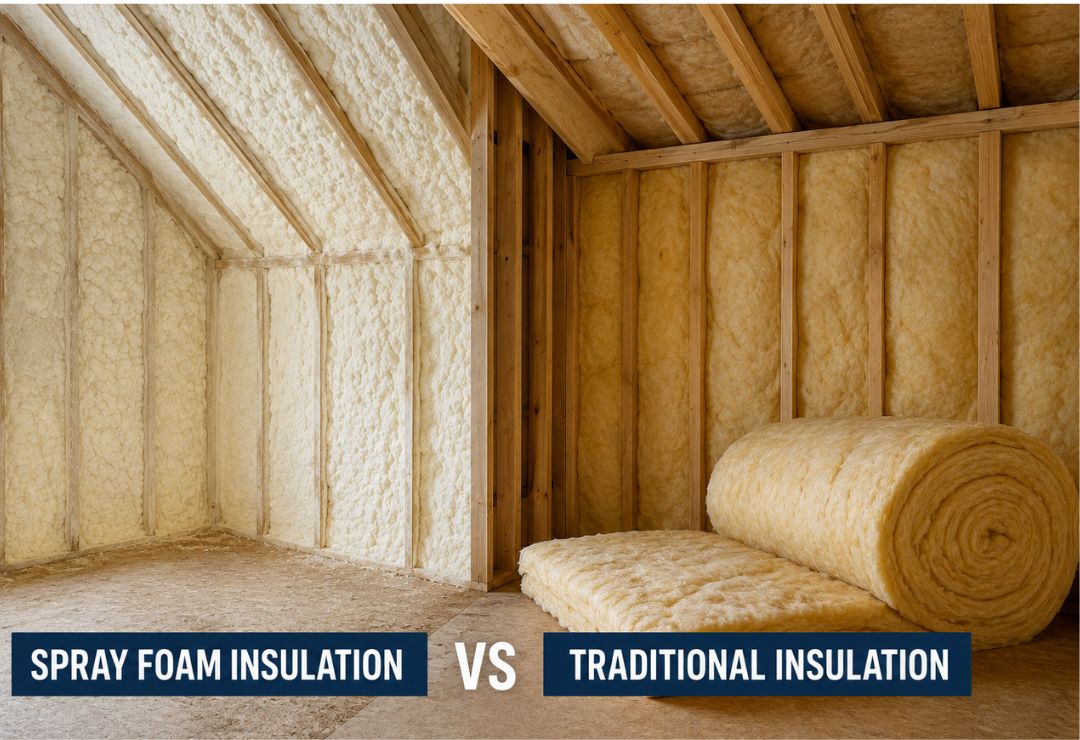
Spray Foam Insulation vs Traditional Insulation Which Option Fits Your Home?

Spray Foam Insulation vs Traditional Insulation: Which Option Fits Your Home?

Choosing the right insulation makes a big difference in comfort, energy savings, and long-term property value. Many homeowners compare Spray Foam Insulation vs Traditional Insulation before starting an upgrade. Both options reduce heat loss. However, each offers unique advantages depending on your property, budget, and insulation goals.

This guide explains how both systems work, compares their performance, and helps you choose the right solution for your home.

What Is Spray Foam Insulation?

Spray foam insulation is a liquid material that expands after application. It fills small gaps, cracks, and difficult spaces. Consequently, it creates a strong air seal that reduces heat loss and limits unwanted airflow.

Many modern homes use spray foam because it provides excellent thermal performance while improving indoor comfort.

Benefits of Spray Foam Insulation

  • Superior air sealing
  • Excellent energy efficiency
  • Reduces moisture penetration
  • Helps lower heating bills
  • Long service life
  • Improves indoor comfort throughout the year

What Is Traditional Insulation?

Traditional insulation includes fiberglass, mineral wool, cellulose, and rigid insulation boards. These materials slow heat transfer by trapping air within their structure.

Traditional insulation remains a popular choice because installation is straightforward and initial costs remain lower compared with spray foam.

Benefits of Traditional Insulation

  • Affordable installation
  • Reliable thermal performance
  • Suitable for many property types
  • Easy replacement if needed
  • Available in several material options

Spray Foam Insulation vs Traditional Insulation: Key Differences

Feature

Spray Foam Insulation

Traditional Insulation

Thermal Performance

Excellent

Good

Air Sealing

Outstanding

Limited

Moisture Resistance

High

Varies by material

Lifespan

Very long

Moderate to long

Installation Cost

Higher

Lower

Energy Savings

Higher over time

Moderate

Gap Filling

Excellent

Limited


Energy Efficiency Comparison

Energy efficiency remains one of the biggest reasons homeowners choose spray foam insulation. Since the material expands into small openings, it minimizes unwanted air leaks.

Traditional insulation still reduces heat transfer effectively. Nevertheless, it cannot completely seal gaps without additional air barrier products.

As a result, spray foam often delivers greater energy savings over the long term.

Installation Process

Spray foam requires professional equipment and experienced installers. The application process demands precision to achieve the best results.

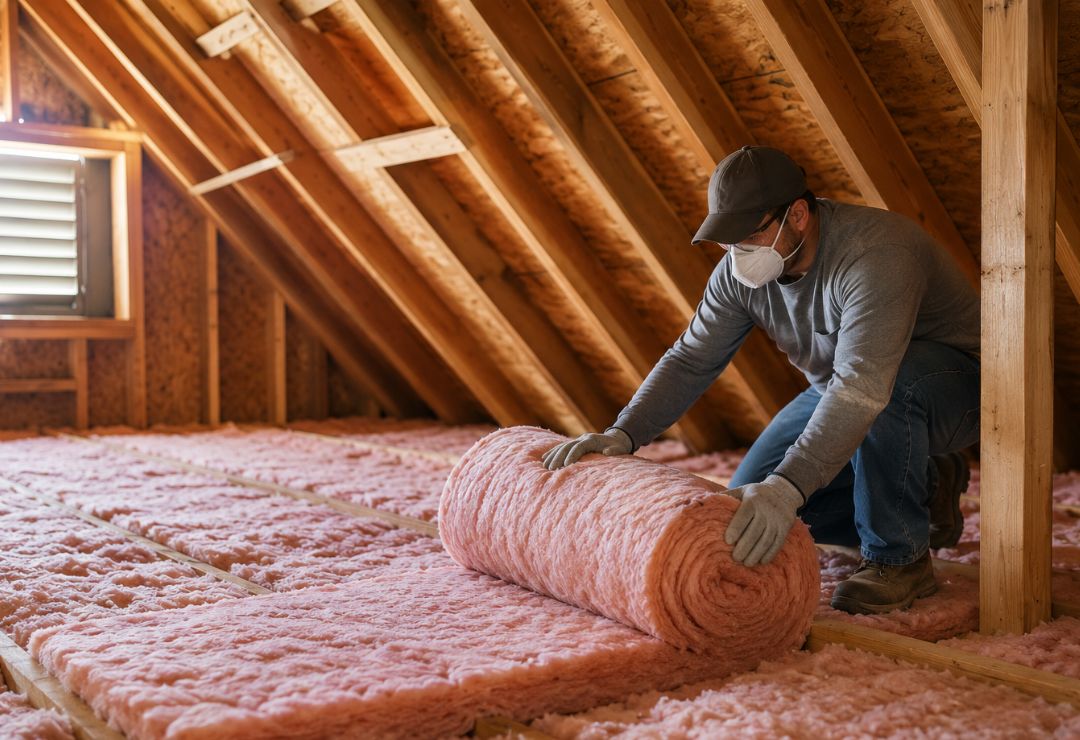
Traditional insulation installs more quickly in many situations. Fiberglass rolls, batts, and insulation boards fit standard wall and roof spaces with less preparation.

Both systems benefit from professional installation for maximum performance.

Moisture Protection

Moisture can reduce insulation performance and encourage mould growth.

Spray foam creates a durable barrier that helps prevent moisture from entering insulated spaces. Therefore, many homeowners choose it for damp-prone areas.

Traditional insulation performs well when kept dry. However, certain materials may lose efficiency after prolonged moisture exposure.

Comfort Throughout Every Season

Proper insulation keeps indoor temperatures stable regardless of changing weather.

Spray foam minimizes drafts, making rooms feel warmer during winter and cooler throughout summer.

Traditional insulation also improves comfort. Still, small air leaks may remain if gaps exist around walls, ceilings, or roof spaces.

Cost Considerations

Spray foam usually costs more during installation. However, many homeowners recover part of the investment through reduced energy bills over time.

Traditional insulation provides a lower upfront expense, making it suitable for projects with tighter budgets.

The best choice depends on your property’s condition, long-term plans, and energy-saving priorities.

Which Homes Benefit Most from Spray Foam?

Spray foam works especially well for:

  • Older homes with air leaks
  • Roof spaces
  • Loft conversions
  • New construction projects
  • Difficult-to-reach cavities
  • Properties seeking maximum energy efficiency

Which Homes Benefit Most from Traditional Insulation?

Traditional insulation remains a practical solution for:

  • Standard wall cavities
  • Budget-friendly renovations
  • Large insulation projects
  • Properties with existing insulation upgrades
  • Simple attic insulation improvements

Why Professional Installation Matters

Even the highest-quality insulation cannot perform properly without correct installation.

Professional installers evaluate your property’s structure, identify heat loss areas, and recommend the most suitable insulation system. Proper installation also improves durability, energy efficiency, and overall comfort.

Why Choose Cavity Wall Insulation Ireland?

Cavity Wall Insulation Ireland provides professional insulation solutions designed for Irish homes. Whether you need cavity wall insulation, roof insulation, loft insulation, or modern spray foam insulation, the experienced team delivers reliable workmanship using high-quality materials.

Every project begins with a careful property assessment, ensuring homeowners receive the most suitable insulation solution for maximum comfort and long-term energy savings.

Conclusion

The decision between Spray Foam Insulation vs Traditional Insulation depends on your property’s needs, energy goals, and available budget.

Spray foam delivers outstanding air sealing, excellent thermal performance, and significant long-term energy savings. Traditional insulation offers dependable performance with a lower initial investment.

Professional advice helps you choose the right solution for lasting comfort and improved efficiency.

Ready to Improve Your Home’s Energy Efficiency?

Contact Cavity Wall Insulation Ireland today for expert guidance and professional insulation services. A well-insulated home delivers greater comfort, reduced energy costs, and year-round peace of mind.

Frequently Asked Questions

1. Is spray foam insulation better than traditional insulation?

Spray foam generally provides better air sealing and higher energy efficiency. Traditional insulation remains an excellent choice for many homes depending on budget and project requirements.

Top Benefits of Upgrading Your Attic Insulation

Top Benefits of Upgrading Your Attic Insulation

A warm, comfortable, and energy-efficient home starts with proper insulation. Many homeowners focus on windows, doors, and heating systems when looking for ways to improve efficiency. However, the attic plays a major role in maintaining indoor temperatures. When insulation becomes outdated, damaged, or insufficient, heat can escape through the roof, leading to higher energy costs and reduced comfort.

Upgrading your attic insulation is one of the most effective home improvements you can make. It delivers immediate and long-term benefits, helping you save money while creating a more comfortable living environment. For homeowners across Ireland, Cavity Wall Insulation Ireland provides professional insulation solutions designed to improve energy performance and reduce unnecessary heat loss.

Lower Energy Bills

One of the most significant advantages of upgrading attic insulation is lower energy consumption. During colder months, heat naturally rises toward the roof. Without sufficient insulation, a large portion of this heat escapes from your home.

New insulation creates a stronger barrier between your living space and outdoor temperatures. Consequently, your heating system uses less energy to maintain warmth. Over time, these savings can make a noticeable difference in household utility costs.

Improved Home Comfort

Temperature fluctuations can make certain areas of a home feel uncomfortable. Some rooms may feel colder during winter, while others become excessively warm during summer.

An upgraded insulation system helps maintain a consistent indoor temperature throughout the property. As a result, every room feels more comfortable regardless of the season. Families can enjoy a pleasant living environment without constantly adjusting heating controls.

Reduced Heat Loss

Heat loss through the roof is one of the leading causes of energy waste in many homes. Poor insulation allows valuable warmth to escape, forcing heating systems to work harder.

Modern attic insulation significantly reduces this heat transfer. Therefore, your home retains warmth more effectively and remains comfortable for longer periods. Better heat retention also contributes to lower energy consumption.

Enhanced Energy Efficiency

Energy efficiency has become increasingly important for homeowners. An insulation upgrade improves your property’s overall efficiency by minimizing wasted energy.

When less heat escapes, your home requires fewer resources to stay comfortable. This improvement benefits both your finances and the environment. Furthermore, an energy-efficient property often performs better during energy assessments.

Increased Property Value

Many homebuyers seek properties with modern energy-saving features. Upgraded attic insulation can make your home more appealing if you decide to sell in the future.

Potential buyers recognize the value of lower energy costs and improved comfort. Therefore, quality insulation may contribute positively to your property’s marketability and overall value.

Better Environmental Impact

Reducing energy usage helps decrease carbon emissions. Since heating systems consume less fuel or electricity when insulation performs efficiently, your household leaves a smaller environmental footprint.

Choosing to upgrade attic insulation is a practical way to support sustainability while enjoying personal financial benefits. Small improvements in efficiency can create meaningful environmental results over time.

Moisture and Condensation Control

Temperature differences between indoor and outdoor spaces can lead to condensation within roof structures. Excess moisture may contribute to mold growth and structural damage if left unresolved.

Modern insulation materials help regulate temperatures more effectively. Consequently, the likelihood of moisture-related issues decreases. A properly insulated attic supports a healthier indoor environment and protects your property’s structure.

Longer Heating System Lifespan

When insulation performs poorly, heating systems must operate more frequently to maintain comfortable temperatures. This increased workload can place unnecessary strain on equipment.

Upgraded insulation reduces the demand on your heating system. As a result, components experience less wear and tear, which may help extend their lifespan and reduce maintenance requirements.

Signs Your Attic Insulation Needs Upgrading

Several warning signs may indicate that your current insulation no longer performs effectively:

  • Rising energy bills
  • Uneven room temperatures
  • Drafts during colder weather
  • Frequent heating system operation
  • Older insulation materials
  • Difficulty maintaining indoor comfort

If you notice these issues, an insulation assessment can help determine whether an upgrade would benefit your home.

Why Choose Cavity Wall Insulation Ireland?

Professional installation ensures insulation performs effectively for many years. Cavity Wall Insulation Ireland delivers reliable insulation solutions tailored to Irish homes. Their experienced team focuses on improving comfort, reducing energy waste, and helping homeowners achieve long-term savings through high-quality insulation services.

Frequently Asked Questions

How long does attic insulation last?

Most insulation materials can remain effective for several decades. However, moisture damage, settling, or outdated materials may reduce performance over time.

Will upgrading attic insulation lower heating costs?

Yes. Improved insulation helps retain warmth inside your home, reducing the amount of energy required for heating.

Is attic insulation suitable for older homes?

Absolutely. Many older properties benefit significantly from modern insulation upgrades because they often experience greater heat loss.

Can insulation improve comfort during summer?

Yes. Quality insulation helps limit heat entering your home, creating a cooler indoor environment during warmer weather.

How do I know if my insulation requires replacement?

High energy bills, uncomfortable rooms, drafts, and aging insulation materials often indicate the need for an upgrade.

Conclusion

Upgrading your attic insulation is one of the smartest investments you can make for your home. It helps reduce energy bills, improves comfort, minimizes heat loss, and supports a more sustainable lifestyle. In addition, it can increase property value and protect your home from moisture-related issues.

If you want better comfort, improved efficiency, and long-term savings, consider professional insulation services from Cavity Wall Insulation Ireland. A properly insulated attic delivers benefits that homeowners can enjoy throughout every season of the year.


How Attic Insulation Reduces Heat Loss

How Attic Insulation Reduces Heat Loss

A warm and energy-efficient home begins with proper insulation. Many homeowners lose a significant amount of heat through their roof space without realizing it. This heat escape forces heating systems to work harder, resulting in higher energy costs and reduced comfort.

Through professional insulation solutions from Cavity Wall Insulation Ireland, homeowners can improve energy efficiency, reduce heating expenses, and create a more comfortable living environment throughout the year. Proper attic insulation remains one of the most effective upgrades for any property seeking better thermal performance.

Why Heat Escapes Through the Roof

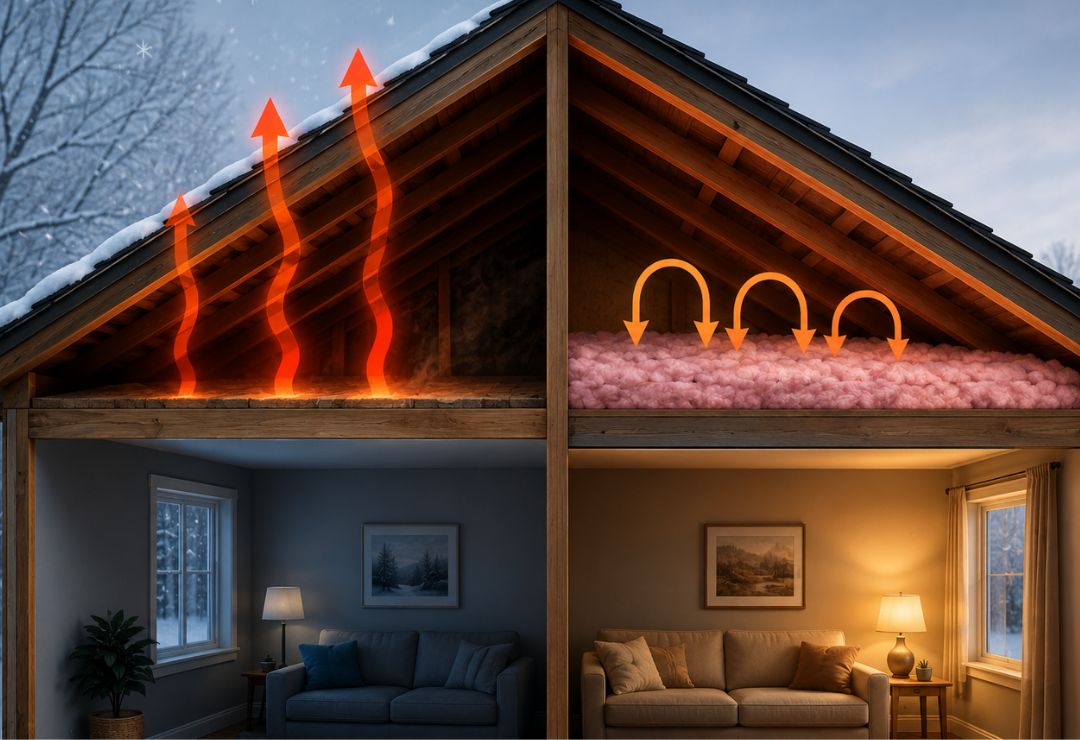
Warm air naturally rises. When an attic lacks sufficient insulation, valuable heat moves upward and escapes through the roof. Consequently, indoor temperatures drop faster, causing heating systems to run longer.

Common causes of heat loss include:

  • Insufficient insulation thickness
  • Older insulation materials
  • Gaps between insulation layers
  • Poorly insulated roof spaces
  • Air leaks around loft access points

Therefore, improving attic insulation can significantly reduce unwanted heat transfer.

How Attic Insulation Works

Attic insulation creates a thermal barrier between living areas and the roof space. This barrier slows heat movement, helping warm air remain inside during colder months.

During summer, insulation also limits external heat entering the home. As a result, indoor temperatures stay more stable throughout the year.

Benefits include:

  • Better heat retention
  • Reduced energy consumption
  • Improved indoor comfort
  • Lower heating costs
  • Increased property efficiency

Heat Loss Reduction Comparison

Home Condition

Estimated Heat Loss Through Roof

Energy Efficiency

No Attic Insulation

Very High

Poor

Old Insulation

Moderate to High

Average

Modern Attic Insulation

Low

Excellent

Professionally Installed Insulation

Very Low

Outstanding

This comparison highlights why many Irish homeowners choose insulation upgrades to improve overall home performance.

Lower Energy Bills Throughout the Year

One of the biggest advantages of attic insulation involves energy savings. Since less heat escapes, heating systems require less energy to maintain comfortable temperatures.

Over time, homeowners often notice:

  • Reduced heating expenses
  • Improved energy ratings
  • Less strain on heating equipment
  • Better long-term savings

Furthermore, lower energy usage supports a more environmentally responsible lifestyle.

Improved Home Comfort

Cold rooms and uneven temperatures often indicate poor insulation. Proper attic insulation helps distribute warmth more effectively throughout the property.

Consequently, homeowners enjoy:

  • Consistent indoor temperatures
  • Fewer cold spots
  • Greater comfort during winter
  • Better temperature control during summer

These improvements enhance everyday living while increasing satisfaction with the home environment.

Environmental Benefits

Reducing heat loss means consuming less energy. When homes use less fuel for heating, carbon emissions decrease.

As a result, attic insulation contributes to:

  • Reduced environmental impact
  • Improved energy conservation
  • Sustainable home improvement
  • Better resource efficiency

Many homeowners view insulation as a practical step toward greener living.

Why Professional Installation Matters

Even high-quality insulation materials may underperform if installation lacks precision. Professional installers ensure complete coverage while minimizing gaps that allow heat transfer.

Expert installation provides:

  • Correct insulation depth
  • Maximum thermal performance
  • Long-lasting results
  • Compliance with current standards

For this reason, working with experienced insulation specialists delivers the best outcome.

Why Choose Cavity Wall Insulation Ireland

Cavity Wall Insulation Ireland provides reliable insulation solutions designed for Irish homes. Their experienced team focuses on improving energy efficiency, reducing heat loss, and helping homeowners achieve greater comfort.

Whether a property requires attic insulation, cavity wall insulation, or energy-efficiency improvements, professional guidance ensures optimal results and long-term value.

Frequently Asked Questions

How much heat can attic insulation prevent from escaping?

A significant portion of household heat can escape through an uninsulated roof space. Proper insulation greatly reduces this loss and improves energy efficiency.

Does attic insulation help during summer?

Yes. Insulation limits heat entering through the roof, helping maintain cooler indoor temperatures during warmer months.

How long does attic insulation last?

Quality insulation can remain effective for many years when properly installed and maintained.

Will attic insulation reduce energy bills?

Yes. Better heat retention means heating systems use less energy, which can lead to noticeable savings on utility costs.

Is professional installation necessary?

Professional installation ensures proper coverage, correct depth, and maximum thermal performance for long-term benefits.

Final Thoughts

Attic insulation remains one of the most effective ways to reduce heat loss, improve home comfort, and lower energy expenses. By creating a strong thermal barrier, homeowners can enjoy warmer living spaces, improved energy efficiency, and long-term savings.

If you want to make your property more energy efficient, contact Cavity Wall Insulation Ireland today. A professional insulation assessment can help identify opportunities for better heat retention and lower heating costs.

Environmental Benefits of Home Insulation

Environmental Benefits of Home Insulation

Environmental Benefits of Home Insulation

Improving your home’s energy efficiency is no longer just about comfort and cost savings. It also plays a major role in protecting the environment. Cavity Wall Insulation Ireland is a trusted service provider that helps homeowners reduce heat loss, lower energy use, and create more sustainable living spaces. The company provides complete insulation services, including property assessments and professional installation, ensuring every home benefits from improved efficiency and reduced environmental impact.

In this guide, we explain the environmental benefits of home insulation and why it is an important step toward a greener future.

What Is Home Insulation?

Home insulation involves adding materials to walls, roofs, or floors to reduce heat transfer. It helps keep warm air inside during winter and prevents excess heat from entering during summer.

This means your home uses less energy for heating and cooling, which directly benefits the environment.

How Home Insulation Helps the Environment

Home insulation supports environmental protection in several important ways.

1. Reduces Energy Consumption

One of the biggest environmental benefits of insulation is lower energy use. When your home retains heat effectively, you rely less on heating systems.

Less energy consumption means fewer natural resources are used, which helps conserve the environment.

2. Lowers Carbon Emissions

Energy used for heating often comes from fossil fuels. These fuels release carbon dioxide into the atmosphere.

By improving insulation, your home produces fewer emissions, helping reduce the overall impact on climate change.

3. Decreases Air Pollution

Burning fuel for heating releases harmful pollutants into the air. These pollutants affect air quality and can harm both the environment and human health.

Insulated homes require less fuel, which helps reduce pollution levels.

4. Supports Sustainable Living

Insulation is an important step toward sustainable living. It allows homeowners to reduce their environmental footprint without changing daily habits.

A well-insulated home works efficiently in all seasons, supporting long-term sustainability.

5. Reduces Waste of Energy

Without proper insulation, a large amount of heat escapes through walls and roofs. This wasted energy increases demand on power sources.

Insulation prevents energy loss and ensures that the energy you use is not wasted.

6. Improves Resource Efficiency

Using less energy means fewer resources are required to produce power. This reduces strain on natural reserves such as coal, gas, and oil.

Better resource management leads to a healthier environment.

Types of Insulation That Support Environmental Benefits

Different types of insulation can help improve energy efficiency and reduce environmental impact.

  • Cavity wall insulation
  • Loft insulation
  • Floor insulation
  • Roof insulation

Each type plays a role in reducing heat loss and improving overall home performance.

Why Choose Cavity Wall Insulation Ireland?

Cavity Wall Insulation Ireland focuses on helping homeowners create energy-efficient and environmentally friendly homes.

The company provides:

  • Detailed property inspections
  • Professional insulation installation
  • High-quality materials
  • Energy-saving solutions for long-term performance

With a strong focus on efficiency and sustainability, the goal is to help reduce energy use while improving comfort.

Is Home Insulation Worth It for the Environment?

Yes, home insulation is one of the most effective ways to reduce environmental impact. It lowers energy consumption, reduces emissions, and supports sustainable living.

Small changes in energy use across many homes can make a significant difference in protecting the planet.

Final Thoughts

Home insulation offers more than just comfort and lower energy bills. It plays a key role in reducing environmental damage and supporting a sustainable future.

By choosing professional services like Cavity Wall Insulation Ireland, homeowners can improve energy efficiency while contributing to a cleaner and healthier environment.

Is Cavity Wall Insulation Safe for Old Houses?

Is Cavity Wall Insulation Safe for Old Houses?

Is Cavity Wall Insulation Safe for Old Houses?

If you own an older property, improving energy efficiency is often a top priority. One of the most effective upgrades many homeowners consider is cavity wall insulation. Cavity Wall Insulation Ireland is a dedicated service provider that helps homeowners improve comfort, reduce heat loss, and lower energy bills through professional insulation solutions. The company provides complete services including property assessment, insulation installation, and energy efficiency improvements. With strong experience working on older homes, the team understands structural differences and ensures every project is completed with care and safety. The key question remains: is cavity wall insulation safe for old houses?

What Is Cavity Wall Insulation?

Cavity wall insulation involves filling the gap between two layers of a wall with insulating material. This process reduces heat escaping from your home and helps maintain a warmer indoor environment.

Homes built after the 1920s usually have cavity walls, while older homes may require inspection to confirm suitability.

Are Old Houses Suitable for Cavity Wall Insulation?

Not every old house is suitable, but many can benefit if proper conditions exist.

A property may be suitable if:

  • Walls are structurally sound
  • No visible damp or moisture issues
  • Cavity is clear and well formed
  • External brickwork remains in good condition

A property may NOT be suitable if:

  • Damp or mould already exists
  • Walls face strong wind-driven rain regularly
  • Cavity is blocked or uneven
  • Brickwork shows cracks or damage

A proper inspection helps determine suitability before installation begins.

Benefits of Cavity Wall Insulation for Old Homes

When installed correctly, cavity wall insulation offers several long-term benefits:

1. Improved Energy Efficiency

Reduces heat loss and keeps your home warmer for longer periods.

2. Lower Heating Bills

Less heat escaping means reduced energy usage and lower costs.

3. Increased Comfort

Helps maintain a consistent indoor temperature.

4. Reduced Carbon Footprint

Supports environmentally friendly living by lowering energy consumption.

Potential Risks for Older Houses

While insulation offers many advantages, risks can occur if installation is not handled correctly.

1. Damp Problems

Moisture can become trapped inside walls if conditions are not suitable.

2. Structural Weakness

Existing wall issues may worsen without proper repairs.

3. Poor Installation

Incorrect application can lead to uneven insulation and cold spots.

How to Ensure Safe Installation

To ensure safe and effective insulation in an older home, follow these key steps:

✔ Get a Professional Survey

A detailed inspection identifies wall condition and cavity structure.

✔ Choose Experienced Specialists

Professionals with knowledge of older homes reduce risk of errors.

✔ Repair Issues Before Installation

Fix cracks, damp problems, and damaged brickwork first.

✔ Select the Right Material

Different insulation materials suit different types of walls.

Types of Insulation Used

Common materials include:

  • Mineral wool
  • Polystyrene beads
  • Foam insulation

Each material works best in specific wall conditions and environments.

Is It Worth It for Old Houses?

In most cases, cavity wall insulation is worth considering for older homes. It improves comfort, reduces heating costs, and increases overall energy efficiency.

However, success depends on proper inspection and correct installation.

Why Choose Cavity Wall Insulation Ireland?

Cavity Wall Insulation Ireland is a trusted name in the insulation industry, providing complete solutions for homeowners looking to upgrade their properties.

The company offers:

  • Full property surveys before installation
  • Expert cavity wall insulation services
  • Energy efficiency upgrades for homes
  • Reliable and safe installation process
  • Long-term performance and support

Their approach focuses on delivering results that improve comfort, reduce energy costs, and protect your home structure.

Final Thoughts

Cavity wall insulation can be safe and effective for old houses when handled correctly. Proper inspection, preparation, and expert installation are essential steps.

With the help of a professional service provider like Cavity Wall Insulation Ireland, homeowners can confidently improve their home’s energy efficiency while avoiding common risks.

Cavity Wall Insulation Ireland: Improve Energy Efficiency, Comfort, and Home Protection

Cavity Wall Insulation Ireland

Introduction

Energy efficiency has become a major concern for homeowners across Ireland. Rising heating costs and colder seasons make it essential to maintain warmth inside homes while reducing energy waste. One of the most effective solutions available today is cavity wall insulation. Many properties in Ireland were built with cavity walls, and insulating these spaces can significantly improve indoor comfort and reduce heating bills.

Cavity Wall Insulation Ireland services help homeowners in Dublin, Kildare, Kilkenny, and Laoise achieve better thermal performance while lowering energy consumption. Professional insulation ensures homes remain warm, safe, and energy-efficient throughout the year.

What Is Cavity Wall Insulation?

Cavity wall insulation is a method used to fill the gap between the inner and outer layers of a wall. Most homes built after the 1930s in Ireland were constructed with two layers of brick or block, leaving a hollow space called a cavity between them.

Without insulation, heat escapes through this cavity, leading to higher energy usage and uncomfortable indoor temperatures. By filling this gap with insulating materials such as mineral wool, polystyrene beads, or foam insulation, heat loss is greatly reduced.

Cavity wall insulation Ireland specialists assess the structure of a property before installing insulation to ensure maximum efficiency and safety.

Why Cavity Wall Insulation Is Important for Irish Homes

Ireland’s climate often brings cold temperatures, strong winds, and frequent rain. Homes without proper insulation lose heat quickly, forcing heating systems to work harder.

Installing cavity wall insulation offers several important benefits:

  • Reduced heat loss through walls
  • Lower heating bills and energy consumption
  • Improved indoor comfort and temperature stability
  • Reduced carbon footprint
  • Better property energy rating

Because walls can account for a large percentage of heat loss in homes, insulating them is one of the most effective energy-saving improvements homeowners can make.

How Cavity Wall Insulation Works

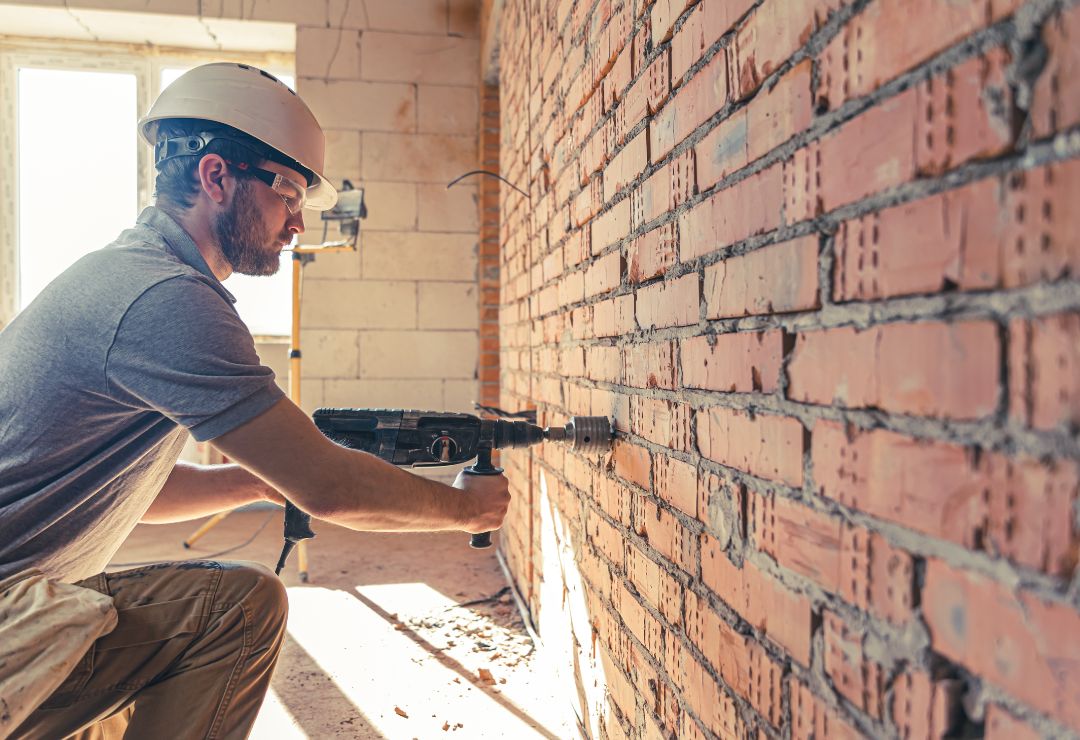
The process of cavity wall insulation is simple yet highly effective. Professional installers drill small holes in the exterior wall of the property. Insulating material is then injected into the cavity using specialized equipment.

Once the cavity is filled evenly, the holes are sealed carefully so the appearance of the wall remains unchanged.

The insulation material works by trapping warm air within the wall structure. This prevents heat from escaping and reduces the amount of cold air entering the home.

Professional cavity wall insulation Ireland installers ensure the material is distributed evenly and that ventilation systems remain unaffected.

Benefits of Cavity Wall Insulation Ireland

Lower Energy Bills

Heating costs in Ireland continue to rise each year. Proper insulation can significantly reduce the amount of energy required to heat a home. Many households notice noticeable savings on their heating bills after installing cavity wall insulation.

Improved Home Comfort

Homes with insulated walls maintain consistent indoor temperatures. Rooms warm up faster and retain heat longer, creating a comfortable living environment during colder months.

Better Energy Efficiency

Energy efficiency is becoming a key factor for property value. Installing cavity wall insulation improves the Building Energy Rating (BER) of a property, making it more attractive to buyers and tenants.

Reduced Environmental Impact

Using less energy means fewer carbon emissions. Cavity wall insulation supports Ireland’s sustainability goals by helping households reduce their environmental footprint.

Protection Against Damp and Cold Walls

Uninsulated cavity walls can lead to cold surfaces that attract condensation and moisture. Proper insulation helps maintain warmer wall surfaces, reducing the risk of dampness and mould.

Areas Covered for Cavity Wall Insulation Services

Professional cavity wall insulation Ireland services are available across several key regions. Homeowners in Dublin, Kildare, Kilkenny, and Laoise can benefit from expert installation that improves home efficiency and comfort.

Each area includes a wide range of residential properties that can benefit from insulation upgrades. Older homes, in particular, often lose significant heat due to poor wall insulation.

Experienced installers understand the construction styles commonly found in these counties and provide tailored insulation solutions.

Signs Your Home Needs Cavity Wall Insulation

Many homeowners are unsure whether their property requires insulation. Some common signs indicate heat loss through cavity walls:

  • High heating bills despite regular use of heating systems
  • Cold spots on walls or rooms that never feel warm
  • Draughts or temperature differences between rooms
  • Walls that feel cold to the touch during winter
  • Poor Building Energy Rating (BER)

If these issues are present, professional cavity wall insulation Ireland assessments can determine whether insulation is needed.

The Installation Process

The installation process is quick and minimally disruptive. Most homes can be insulated within a few hours depending on the property size.

The typical steps include:

  • Initial property inspection to check wall suitability
  • Measuring cavity thickness and identifying wall structure
  • Drilling small holes in external walls
  • Injecting insulation material evenly into the cavity
  • Sealing the holes to match the wall finish

Once the installation is complete, homeowners can begin experiencing improved warmth and energy efficiency almost immediately.

Choosing Professional Cavity Wall Insulation Experts

Professional installation is essential for safe and effective insulation. Experienced contractors ensure that the correct materials are used and that cavities are filled evenly without causing moisture issues.

Trusted cavity wall insulation Ireland providers offer:

  • Property inspections and suitability checks
  • Certified insulation materials
  • Skilled and experienced technicians
  • Long-lasting insulation solutions
  • Reliable customer support

Choosing expert installers ensures the insulation performs effectively for many years.

Long-Term Value of Cavity Wall Insulation

Cavity wall insulation is not only a comfort upgrade but also a long-term investment. The savings generated from reduced energy bills often cover the installation cost over time.

In addition to financial benefits, insulated homes experience better temperature control and improved structural protection.

Homeowners who invest in cavity wall insulation Ireland services also increase the overall energy performance of their property, making it more valuable in the housing market.

Conclusion

Energy efficiency, comfort, and home protection are essential for modern living in Ireland. Cavity wall insulation is one of the most effective ways to reduce heat loss and improve indoor temperatures.

Homeowners across Dublin, Kildare, Kilkenny, and Laoise can benefit from expert cavity wall insulation Ireland services that provide lasting results. With professional installation, homes become warmer, safer, and more energy-efficient.

Investing in cavity wall insulation helps reduce heating costs, protect property structures, and support environmental sustainability. For homeowners looking to improve comfort and energy savings, cavity wall insulation remains a reliable and practical solution.