Cavitywall Insulation Ireland

Environmental Benefits of Home Insulation

Environmental Benefits of Home Insulation

Environmental Benefits of Home Insulation

Improving your home’s energy efficiency is no longer just about comfort and cost savings. It also plays a major role in protecting the environment. Cavity Wall Insulation Ireland is a trusted service provider that helps homeowners reduce heat loss, lower energy use, and create more sustainable living spaces. The company provides complete insulation services, including property assessments and professional installation, ensuring every home benefits from improved efficiency and reduced environmental impact.

In this guide, we explain the environmental benefits of home insulation and why it is an important step toward a greener future.

What Is Home Insulation?

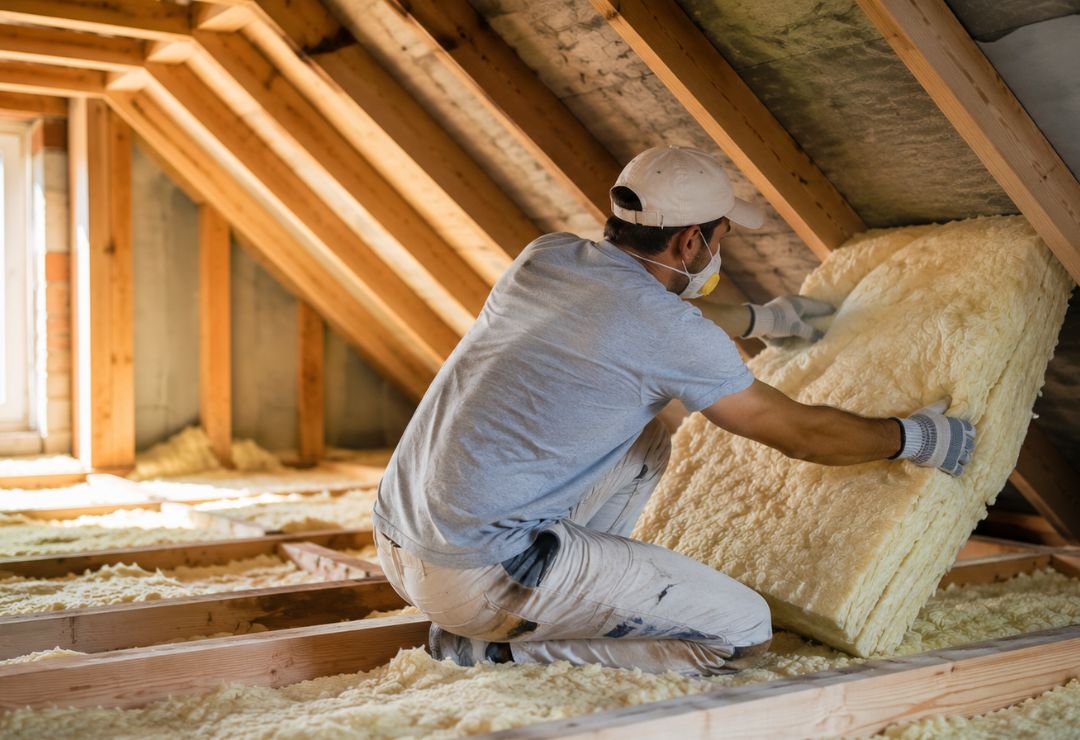
Home insulation involves adding materials to walls, roofs, or floors to reduce heat transfer. It helps keep warm air inside during winter and prevents excess heat from entering during summer.

This means your home uses less energy for heating and cooling, which directly benefits the environment.

How Home Insulation Helps the Environment

Home insulation supports environmental protection in several important ways.

1. Reduces Energy Consumption

One of the biggest environmental benefits of insulation is lower energy use. When your home retains heat effectively, you rely less on heating systems.

Less energy consumption means fewer natural resources are used, which helps conserve the environment.

2. Lowers Carbon Emissions

Energy used for heating often comes from fossil fuels. These fuels release carbon dioxide into the atmosphere.

By improving insulation, your home produces fewer emissions, helping reduce the overall impact on climate change.

3. Decreases Air Pollution

Burning fuel for heating releases harmful pollutants into the air. These pollutants affect air quality and can harm both the environment and human health.

Insulated homes require less fuel, which helps reduce pollution levels.

4. Supports Sustainable Living

Insulation is an important step toward sustainable living. It allows homeowners to reduce their environmental footprint without changing daily habits.

A well-insulated home works efficiently in all seasons, supporting long-term sustainability.

5. Reduces Waste of Energy

Without proper insulation, a large amount of heat escapes through walls and roofs. This wasted energy increases demand on power sources.

Insulation prevents energy loss and ensures that the energy you use is not wasted.

6. Improves Resource Efficiency

Using less energy means fewer resources are required to produce power. This reduces strain on natural reserves such as coal, gas, and oil.

Better resource management leads to a healthier environment.

Types of Insulation That Support Environmental Benefits

Different types of insulation can help improve energy efficiency and reduce environmental impact.

  • Cavity wall insulation
  • Loft insulation
  • Floor insulation
  • Roof insulation

Each type plays a role in reducing heat loss and improving overall home performance.

Why Choose Cavity Wall Insulation Ireland?

Cavity Wall Insulation Ireland focuses on helping homeowners create energy-efficient and environmentally friendly homes.

The company provides:

  • Detailed property inspections
  • Professional insulation installation
  • High-quality materials
  • Energy-saving solutions for long-term performance

With a strong focus on efficiency and sustainability, the goal is to help reduce energy use while improving comfort.

Is Home Insulation Worth It for the Environment?

Yes, home insulation is one of the most effective ways to reduce environmental impact. It lowers energy consumption, reduces emissions, and supports sustainable living.

Small changes in energy use across many homes can make a significant difference in protecting the planet.

Final Thoughts

Home insulation offers more than just comfort and lower energy bills. It plays a key role in reducing environmental damage and supporting a sustainable future.

By choosing professional services like Cavity Wall Insulation Ireland, homeowners can improve energy efficiency while contributing to a cleaner and healthier environment.

Is Cavity Wall Insulation Safe for Old Houses?

Is Cavity Wall Insulation Safe for Old Houses?

Is Cavity Wall Insulation Safe for Old Houses?

If you own an older property, improving energy efficiency is often a top priority. One of the most effective upgrades many homeowners consider is cavity wall insulation. Cavity Wall Insulation Ireland is a dedicated service provider that helps homeowners improve comfort, reduce heat loss, and lower energy bills through professional insulation solutions. The company provides complete services including property assessment, insulation installation, and energy efficiency improvements. With strong experience working on older homes, the team understands structural differences and ensures every project is completed with care and safety. The key question remains: is cavity wall insulation safe for old houses?

What Is Cavity Wall Insulation?

Cavity wall insulation involves filling the gap between two layers of a wall with insulating material. This process reduces heat escaping from your home and helps maintain a warmer indoor environment.

Homes built after the 1920s usually have cavity walls, while older homes may require inspection to confirm suitability.

Are Old Houses Suitable for Cavity Wall Insulation?

Not every old house is suitable, but many can benefit if proper conditions exist.

A property may be suitable if:

  • Walls are structurally sound
  • No visible damp or moisture issues
  • Cavity is clear and well formed
  • External brickwork remains in good condition

A property may NOT be suitable if:

  • Damp or mould already exists
  • Walls face strong wind-driven rain regularly
  • Cavity is blocked or uneven
  • Brickwork shows cracks or damage

A proper inspection helps determine suitability before installation begins.

Benefits of Cavity Wall Insulation for Old Homes

When installed correctly, cavity wall insulation offers several long-term benefits:

1. Improved Energy Efficiency

Reduces heat loss and keeps your home warmer for longer periods.

2. Lower Heating Bills

Less heat escaping means reduced energy usage and lower costs.

3. Increased Comfort

Helps maintain a consistent indoor temperature.

4. Reduced Carbon Footprint

Supports environmentally friendly living by lowering energy consumption.

Potential Risks for Older Houses

While insulation offers many advantages, risks can occur if installation is not handled correctly.

1. Damp Problems

Moisture can become trapped inside walls if conditions are not suitable.

2. Structural Weakness

Existing wall issues may worsen without proper repairs.

3. Poor Installation

Incorrect application can lead to uneven insulation and cold spots.

How to Ensure Safe Installation

To ensure safe and effective insulation in an older home, follow these key steps:

✔ Get a Professional Survey

A detailed inspection identifies wall condition and cavity structure.

✔ Choose Experienced Specialists

Professionals with knowledge of older homes reduce risk of errors.

✔ Repair Issues Before Installation

Fix cracks, damp problems, and damaged brickwork first.

✔ Select the Right Material

Different insulation materials suit different types of walls.

Types of Insulation Used

Common materials include:

  • Mineral wool
  • Polystyrene beads
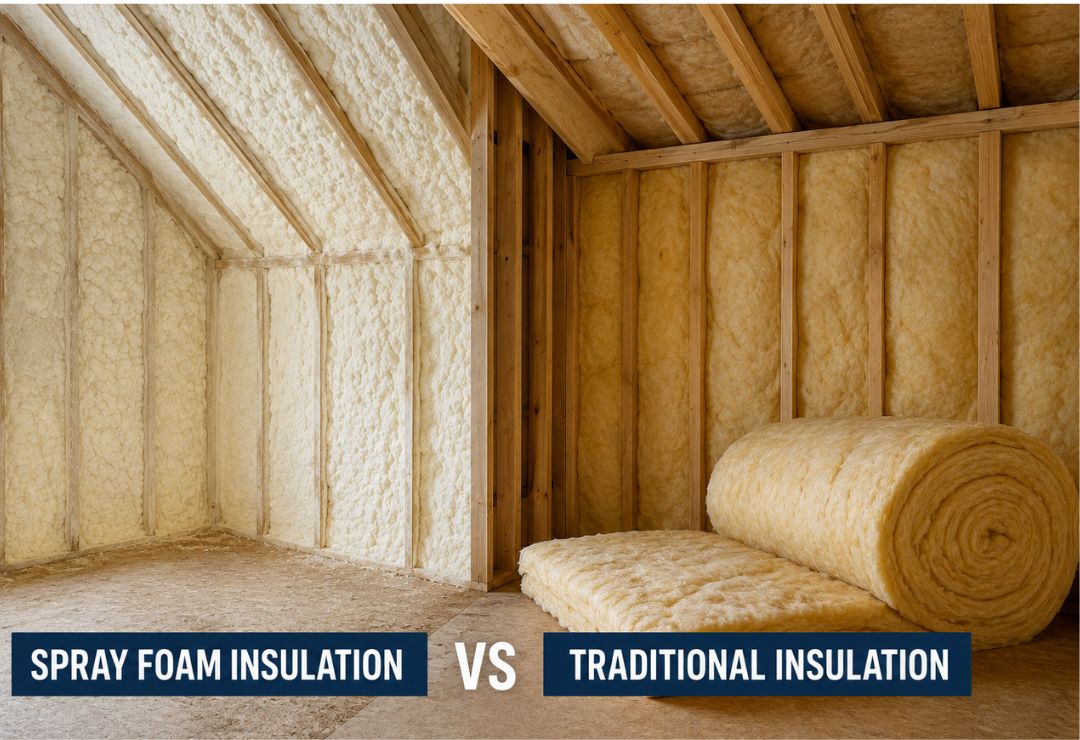
  • Foam insulation

Each material works best in specific wall conditions and environments.

Is It Worth It for Old Houses?

In most cases, cavity wall insulation is worth considering for older homes. It improves comfort, reduces heating costs, and increases overall energy efficiency.

However, success depends on proper inspection and correct installation.

Why Choose Cavity Wall Insulation Ireland?

Cavity Wall Insulation Ireland is a trusted name in the insulation industry, providing complete solutions for homeowners looking to upgrade their properties.

The company offers:

  • Full property surveys before installation
  • Expert cavity wall insulation services
  • Energy efficiency upgrades for homes
  • Reliable and safe installation process
  • Long-term performance and support

Their approach focuses on delivering results that improve comfort, reduce energy costs, and protect your home structure.

Final Thoughts

Cavity wall insulation can be safe and effective for old houses when handled correctly. Proper inspection, preparation, and expert installation are essential steps.

With the help of a professional service provider like Cavity Wall Insulation Ireland, homeowners can confidently improve their home’s energy efficiency while avoiding common risks.

How Cavity Wall Insulation Services Can Transform Your Home

Cavity Wall Insulation

Rising energy costs and uncomfortable indoor temperatures are common problems for homeowners across Ireland. One of the most effective solutions is Cavity Wall Insulation. This smart upgrade reduces heat loss, lowers bills, and improves comfort throughout the year.

For homes in Dublin, Kildare, Carlow, Kilkenny, Laois, and the South of Ireland, professional cavity wall insulation services provide long-term value and noticeable improvements from day one.

What Is Cavity Wall Insulation?

Most modern homes in Ireland are built with two walls – an outer wall and an inner wall – with a small gap between them called a cavity. Without insulation, this space allows heat to escape quickly.

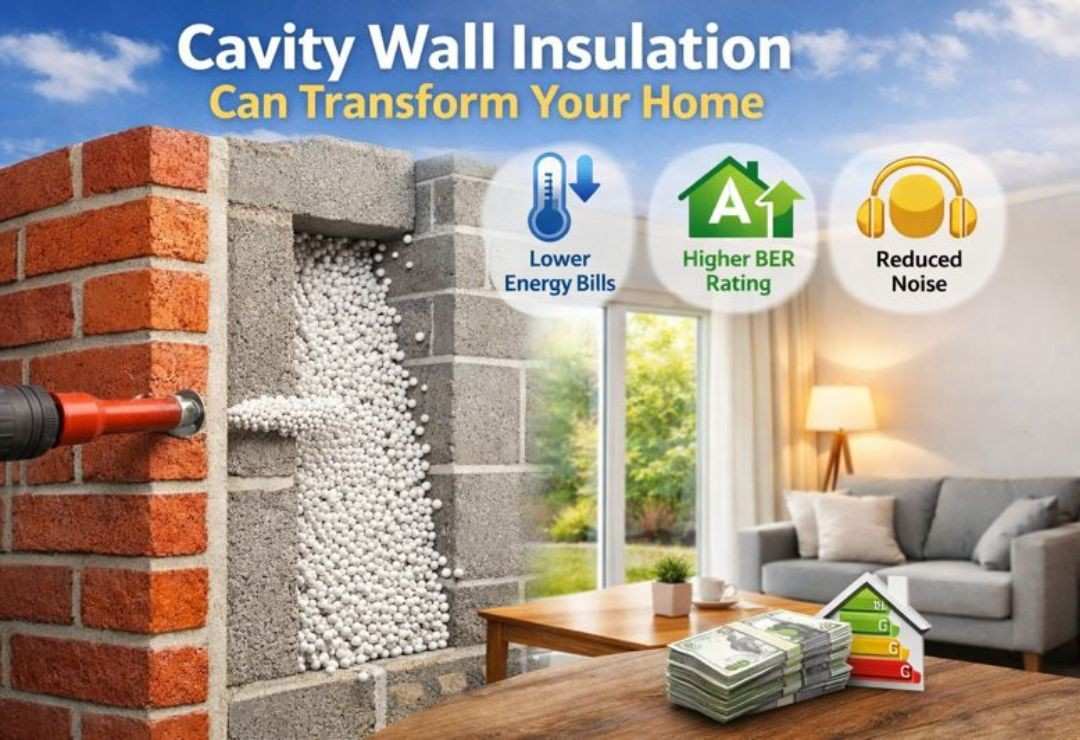
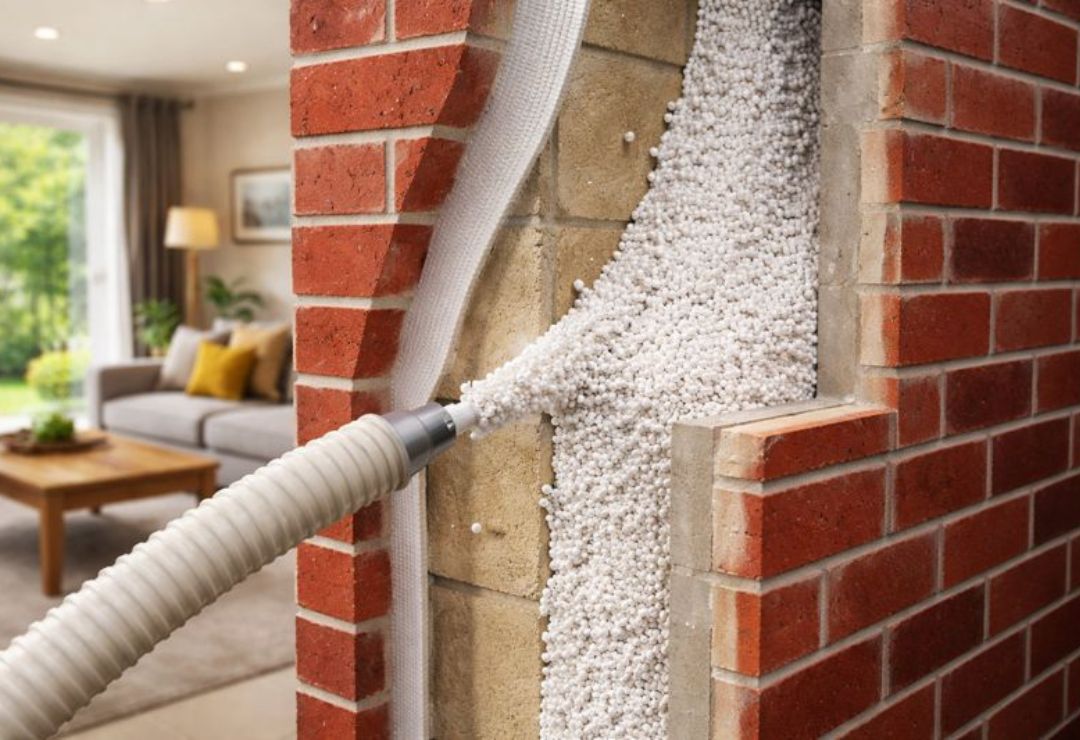
Cavity Wall Insulation involves filling this gap with high-performance insulation beads that trap heat inside your home. The result is better temperature control, improved energy efficiency, and lower heating costs.

Why Homes in Ireland Need Cavity Wall Insulation

Ireland’s climate is cold, damp, and windy for much of the year. Without proper insulation:

  • Up to 35% of heat can be lost through walls
  • Heating systems must work harder
  • Energy bills rise
  • Homes feel cold and uncomfortable

Professional cavity wall insulation services in Dublin and surrounding counties help solve these issues efficiently and affordably.

Key Benefits of Cavity Wall Insulation

Lower Energy Bills

Insulated walls keep warm air inside during winter and block excess heat in summer. This means:

  • Less heating usage
  • Reduced electricity and gas costs
  • Savings every month

Many homeowners in Kildare and Kilkenny report noticeable reductions in energy bills after installation.

Improved Home Comfort

Cold walls create drafts and uneven temperatures. Cavity wall insulation provides:

  • Consistent indoor warmth
  • Fewer cold spots
  • Better comfort in every room

Your home feels cosy without constantly adjusting the thermostat.

Higher BER Rating

A better Building Energy Rating (BER) increases property value and makes your home more attractive to buyers or renters.

Cavity wall insulation is one of the quickest ways to boost your BER score in Ireland.

Noise Reduction

Insulation beads also absorb sound, helping to:

  • Reduce outside traffic noise
  • Improve indoor quietness
  • Create a peaceful living environment

This is especially helpful for homes in busy areas like Dublin city and nearby towns.

Environmentally Friendly

Using less energy reduces your carbon footprint. Choosing cavity wall insulation supports:

  • Sustainable living
  • Lower emissions
  • Ireland’s energy efficiency goals

How the Installation Process Works

Professional cavity wall insulation services follow a simple and safe process:

  • Wall inspection to check suitability
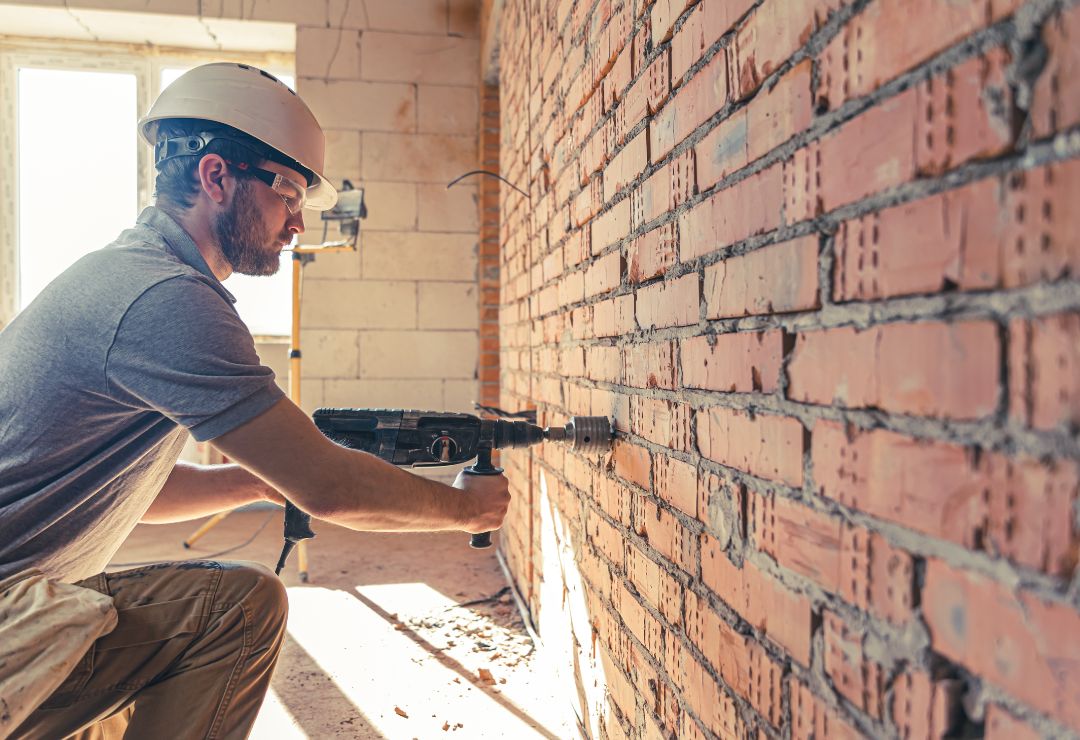
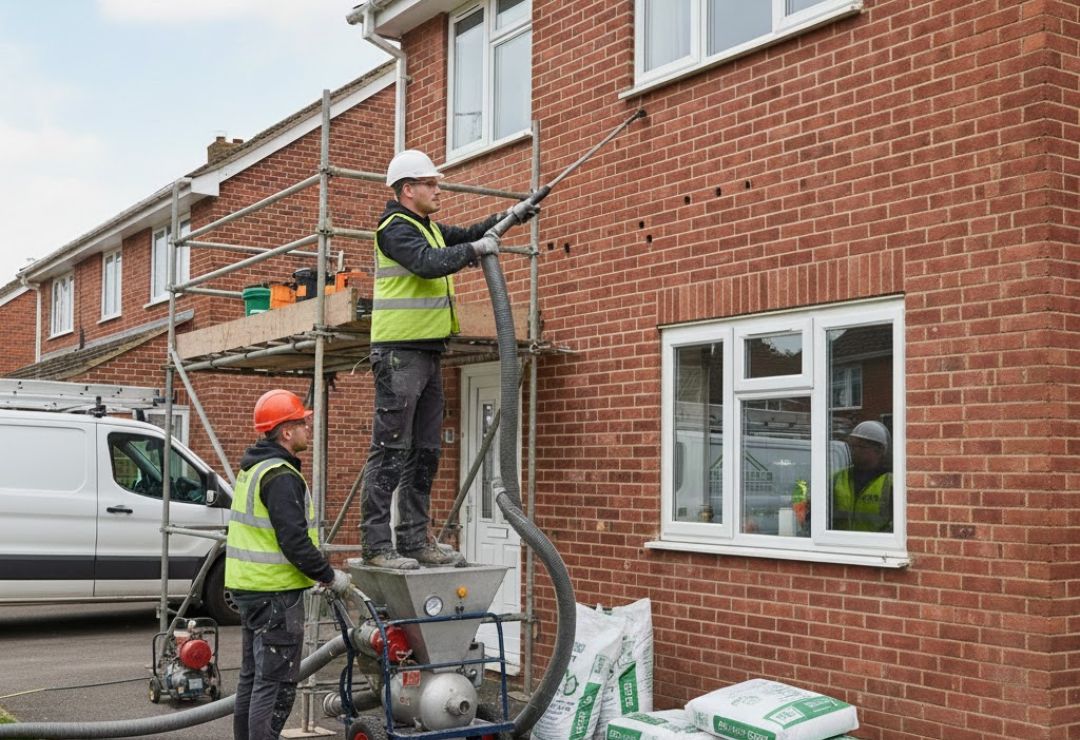
  • Small holes drilled into the outer wall
  • Insulation beads injected into the cavity
  • Holes sealed neatly

The entire process usually takes 2–4 hours with minimal disruption.

Ideal for Old and New Homes

Cavity wall insulation is suitable for:

  • Older homes with empty cavities
  • Properties needing energy upgrades
  • Residential houses
  • Commercial buildings

Whether you live in Laois, Carlow, or South Dublin, most homes can benefit from this upgrade.

Grant Support in Ireland

Homeowners may qualify for SEAI insulation grants, reducing the overall cost of installation.

Professional providers assist with:

  • Grant eligibility checks
  • Application guidance
  • Required documentation

This makes cavity wall insulation even more affordable.

Why Choose Local Experts in Ireland?

Local insulation specialists understand:

  • Irish building standards
  • Weather conditions
  • Regional property styles

Serving Dublin, Kildare, Carlow, Kilkenny, Laois, and the South of Ireland, expert installers deliver reliable results using approved materials and modern equipment.

Final Thoughts

Investing in Cavity Wall Insulation is a smart move for any homeowner in Ireland. It improves comfort, cuts energy costs, boosts property value, and supports sustainable living.

Whether you own a house in Dublin or a commercial building in Kilkenny, professional cavity wall insulation services deliver lasting benefits that transform how your property feels and performs.

Frequently Asked Questions (FAQs)

How much does cavity wall insulation cost in Ireland?

Costs vary based on property size and wall type, but grants can significantly reduce the price. Most homeowners recover the cost through energy savings within a few years.

Is cavity wall insulation suitable for old houses?

Yes. Many older homes in Ireland have empty cavities that are perfect for insulation upgrades after a professional assessment.

How long does installation take?

Most installations are completed within one day, often in just a few hours.

Cavity Wall Insulation Benefits for Homes in Ireland

Cavity Wall Insulation

Keeping homes warm and energy efficient is a priority for homeowners across Ireland. With long winters, frequent rain, and rising energy costs, heat loss through poorly insulated walls can significantly affect comfort and household expenses. Cavity Wall Insulation is one of the most effective solutions for reducing heat loss, improving indoor comfort, and lowering energy bills in Irish homes.

What Is Cavity Wall Insulation?

Cavity walls consist of two layers of masonry separated by a narrow gap. This gap allows heat to escape easily if it is not insulated. It involves filling this space with a specialist insulating material, creating a barrier that slows heat transfer through the walls.

Many homes in Ireland, particularly those built from the mid 20th century onwards, are constructed with cavity walls. This makes cavity wall insulation a practical and widely suitable upgrade that delivers immediate and long lasting benefits.

Why Irish Homes Need Cavity Wall Insulation

Ireland’s climate places constant pressure on home heating systems. Cool temperatures dominate much of the year, and uninsulated walls can account for a large percentage of total heat loss. When heat escapes through external walls, boilers and heating systems must work harder to maintain indoor comfort.

Installing Cavity Wall Insulation helps retain warmth inside the home, reducing the demand on heating systems. This results in improved comfort levels and better control over indoor temperatures, even during colder months.

Improved Warmth and Living Comfort

One of the most noticeable benefits of Cavity Wall Insulation is the improvement in overall comfort. Insulated walls help maintain consistent temperatures throughout the home, reducing cold spots and draughts.

Rooms feel warmer for longer after heating is turned off, making living spaces more enjoyable during winter. In addition, insulation helps regulate internal temperatures during milder months, preventing sudden temperature changes and creating a more balanced indoor environment.

Reduced Energy Bills and Heating Costs

Energy costs are a growing concern for households across Ireland. Heat loss through uninsulated walls leads to unnecessary energy consumption and higher heating bills. Cavity Wall Insulation directly addresses this issue by reducing the amount of heat escaping from the home.

With less heat loss, homes require less energy to stay warm. This leads to noticeable savings on energy bills year after year. Over time, the insulation pays for itself through reduced heating costs, making it a financially smart investment.

High Quality Insulation Materials Matter

The Cavity Wall Insulation Ireland provides the best cavity wall insulation solutions using high quality materials, including Bonded Bead Insulation. This material is designed to deliver excellent thermal performance while maintaining airflow within the wall structure.

Bonded bead insulation forms a durable and moisture resistant layer inside the cavity. Its properties make it particularly suitable for Ireland’s weather conditions, helping protect walls from damp while maintaining consistent insulation performance over the long term.

Environmentally Responsible Home Improvement

Reducing energy usage has a positive impact not only on household finances but also on the environment. By installing Cavity Wall Insulation, homeowners can significantly reduce their carbon footprint. Lower energy consumption means fewer emissions associated with heating the home.

Improved insulation can also enhance a property’s Building Energy Rating, which is increasingly important in Ireland. A better energy rating reflects improved efficiency and sustainability, making the home more attractive in today’s property market.

Fast Installation with Minimal Disruption

Completed in a Single Day

Another major advantage of Cavity Wall Insulation is the simplicity of installation. In most cases, the entire process is completed within a single day, making it a convenient upgrade for homeowners.

Simple and Non-Invasive Process

Small openings are created in the external wall, allowing insulation to be injected directly into the cavity. Once the insulation is in place, the wall is carefully sealed to maintain a clean and finished appearance.

No Interruption to Daily Living

There is no need for internal renovations or significant disruption to everyday life. Homeowners can continue using their living spaces as normal and start enjoying improved insulation benefits immediately.

Long Term Value for Your Property

Increased Appeal in the Irish Housing Market

Energy efficient homes are increasingly desirable in Ireland. Installing Cavity Wall adds long term value by improving comfort, lowering running costs, and enhancing overall energy performance.

A Smart Investment for Homeowners and Buyers

These benefits appeal to both current homeowners and potential buyers. Whether planning to stay in the property or considering future resale, it is a reliable upgrade that strengthens a home’s efficiency, comfort, and market appeal.

A Smarter Choice for Irish Homeowners

Cavity Wall Insulation Ireland ensures that you will have a warmer home and comparatively lower energy bills. Our professional approach, combined with high quality materials like bonded bead insulation, delivers results that last.

Choosing Cavity Wall Insulation is a practical step towards a more comfortable, cost-efficient, and energy-smart home. For Irish homeowners seeking dependable insulation benefits, it remains one of the most effective solutions available.

Cavity Wall Insulation: Is It Worth It?

Cavity Wall Insulation

Cavity wall insulation is one of the most popular ways to make a home warmer and more energy-efficient. But many homeowners wonder: is it really worth it? In this blog, we will break down the benefits, costs, and considerations to help you decide if cavity wall insulation is right for your home.

What Is Cavity Wall Insulation?

Cavity wall insulation involves filling the gap (or cavity) between the inner and outer walls of a house with insulating material. Most homes built after the 1920s have these cavities. The insulation can be made of materials like mineral wool, polystyrene beads, or foam.

How It Works

The insulation stops warm air from escaping through the walls. By reducing heat loss, your home stays warmer in winter, cooler in summer, and your heating bills drop.

Benefits of Cavity Wall Insulation

Many homeowners choose cavity wall insulation because it offers clear advantages.

  1. Lower Energy Bills

Insulated walls prevent heat from escaping, which means your heating system works less. Over time, this can save hundreds of euros per year on energy costs.

  1. Increased Comfort

Rooms feel warmer in winter and more stable in temperature year-round. Drafts are reduced, making your home much more comfortable.

  1. Reduced Carbon Footprint

By using less energy for heating, cavity wall insulation helps lower your home’s environmental impact.

  1. Improved Property Value

Homes with proper insulation often have higher energy ratings, which can make them more appealing to buyers.

Are All Homes Suitable?

Not every home can have cavity wall insulation installed. Before investing, you need to check a few things.

Age and Wall Type

  • Homes built before 1920 usually have solid walls, which are not suitable.
  • Homes built after 1920 often have cavities that can be insulated.
  • Properties built after 1990 may already have insulation.

Wall Condition

Walls must be in good condition, free from major cracks or damp issues. Installing insulation in damaged walls can cause moisture problems.

Damp and Moisture

If your home has damp or leaks, these must be fixed before insulation. Moisture can damage the insulation and lead to long-term problems.

Costs of Cavity Wall Insulation

The cost depends on your home size, wall type, and insulation material. On average, cavity wall insulation is affordable and pays for itself within a few years through lower heating bills.

While it is an upfront investment, the long-term energy savings make it a cost-effective choice for many homeowners.

Get a Professional Assessment

The best way to know if cavity wall insulation is right for your home is to get a professional survey.

What a Professional Survey Covers

Wall Structure Check: Confirms your walls have a cavity and are in good condition.

Cavity Width Measurement: Ensures the gap is wide enough for insulation.

Damp Inspection: Detects moisture issues before installation.

Weather Exposure Review: Considers your home’s location to choose the right material.

At Cavity Wall Insulation Ireland, we use high quality materials like bonded bead insulation to guarantee a warmer home and lower energy bills.

Is It Worth It?

For most homes with suitable cavity walls, the answer is yes. Benefits like lower energy bills, increased comfort, and improved energy efficiency make cavity wall insulation a smart investment.

However, if your home has solid walls, ongoing damp problems, or structural issues, insulation may not be suitable. A professional assessment ensures you make the right choice.

Conclusion

Cavity wall insulation can be a simple yet effective way to make your home warmer and reduce energy costs. By checking your wall type, condition, and getting a professional survey, you can decide whether this investment is right for your property.

If your home qualifies, you’ll enjoy a more comfortable living space, lower bills, and long-term savings.

How to Know If Your Home Needs Cavity Wall Insulation

Cavity Wall Insulation

Cavity wall insulation is one of the most effective ways to make your home warmer, more energy-efficient, and cheaper to run. Many homes lose heat through their walls, and cavity wall insulation helps stop that heat from escaping. But not every home is suitable for this type of insulation.

What Is Cavity Wall Insulation?

Cavity wall insulation is a material that is placed inside the gap between the inner and outer walls of a house. Many homes, especially those built from the 1920s onwards, have two walls with a small space between them called a cavity. This cavity can be filled with insulation to reduce heat loss.

Why Cavity Wall Insulation Matters

When your walls are insulated, your home stays warmer in winter and cooler in summer. This means:

  • Lower energy bills
  • A more comfortable home
  • Less strain on heating systems
  • Reduced carbon footprint

How to Check If Your Home Has Cavity Walls

Before thinking about cavity wall insulation, you need to know if your home actually has cavity walls.

Look at the Brick Pattern

One simple way to check is by looking at the brickwork on the outside of your home:

  • Cavity walls usually have bricks laid lengthways (long bricks).
  • Solid walls often show bricks laid with alternating long and short ends.
  • If your home has solid walls, cavity wall insulation will not be suitable.

Check the Age of Your Home

The age of your property gives a good clue:

  • Homes built after 1920 often have cavity walls.
  • Homes built before 1920 usually have solid walls.
  • Homes built after 1990 may already have cavity wall insulation installed.

Signs Your Home May Already Have Cavity Wall Insulation

Some homes already have cavity wall insulation, even if the owner is not aware of it.

Look for Drill Holes

Small, filled drill holes in the outside wall are a strong sign. These holes are usually about the size of a coin and appear in a regular pattern.

Check Paperwork or Ask Previous Owners

If you have energy certificates, building records, or information from previous owners, they may confirm whether cavity wall insulation is already in place.

Is Your Cavity Suitable for Insulation?

Even if your home has cavity walls, the cavity must be suitable for insulation.

Cavity Width Matters

The cavity needs to be wide enough to hold insulation material. Very narrow cavities may not be suitable.

Wall Condition Is Important

Your walls must be in good condition:

  • No major cracks
  • No damp problems
  • No crumbling brickwork

If water can get into the cavity, insulation could cause damp issues.

Check for Damp or Moisture Problems

Damp is one of the most important factors when deciding on cavity wall insulation.

Signs of Damp to Look For

  • Peeling paint or wallpaper
  • Mould on walls
  • Musty smells
  • Dark patches on internal walls

If your home has existing damp problems, these must be fixed before installing cavity wall insulation.

Your Location and Exposure to Weather

The location of your home also affects whether cavity wall insulation is suitable.

Homes in High Exposure Areas

If your home is in a very windy or rainy area, especially near the coast, cavity wall insulation may not be recommended unless special materials are used.

Shelter and Surroundings

Homes that are sheltered by other buildings or trees are usually better suited for cavity wall insulation.

What Type of Insulation Is Used?

Different homes may need different types of cavity wall insulation.

Common Insulation Materials

  • Mineral wool
  • Polystyrene beads
  • Foam insulation

A professional installer will choose the right material based on your wall type and location.

Why a Professional Cavity Wall Check Is Important

The only reliable way to know if cavity wall insulation will work for your home is through a professional inspection. Every house is different, and a proper check helps avoid problems later.

At Cavity Wall Insulation Ireland, we offer trusted cavity wall insulation services using premium materials such as bonded bead insulation. Our goal is to help homeowners keep their houses warmer while reducing energy costs over time.

A professional assessment makes sure the insulation is suitable for your property and delivers the best results.

What Happens During a Cavity Wall Inspection

During the inspection, trained specialists carefully examine your home to confirm whether cavity wall insulation can be safely installed.

Wall Type and Condition

The structure of your walls is checked to confirm that they are cavity walls and strong enough for insulation.

Cavity Size Check

The gap between the walls is measured to ensure it can hold insulation material correctly and evenly.

Moisture and Damp Review

Inspectors look for any signs of damp or water issues, as these must be resolved before insulation is added.

Weather Exposure Assessment

The location of your home and how exposed it is to wind and rain are also considered when choosing the right insulation solution.

This thorough process ensures that cavity wall insulation is installed safely, performs well, and provides long-lasting comfort and energy savings for your home.

Final Thoughts: Is Your Home Right for Cavity Wall Insulation?

To tell if you could get cavity wall insulation installed in your home, consider:

  • The age of your property
  • The type of walls you have
  • The condition of your brickwork
  • Any existing damp problems
  • Your location and weather exposure

While simple checks can give you an idea, a professional assessment is the safest way to confirm suitability. If your home meets the requirements, cavity wall insulation can be a smart investment that improves comfort, saves money, and makes your home more energy-efficient for years to come.

Top 7 Signs Your Home Might Need Cavity Wall Insulation

Cavity Wall Insulation

Cavity wall insulation is one of the simplest ways to improve your home’s energy efficiency, keep it warmer in winter, and reduce energy bills. Many homeowners, however, may not realize when their property actually needs this service. In this article, we’ll explore the top 7 signs your home might need cavity wall insulation, so you can take action before problems worsen.

High Energy Bills

One of the clearest signs that your home may need cavity wall insulation is consistently high energy bills. If you notice your heating costs rising even though you haven’t changed your usage, it could be because your walls are not retaining heat efficiently. Proper insulation keeps warm air inside during winter and cool air inside during summer, helping to reduce overall energy costs.

Cold Walls

Do your walls feel unusually cold to the touch? Cold walls are a strong indicator of poor insulation. Homes without adequate cavity wall insulation allow heat to escape through the walls, making your living spaces uncomfortable and increasing your reliance on heating. Cavity wall insulation services can solve this problem by filling the wall cavities with materials that trap heat inside.

Damp or Mould Issues

If you notice damp patches or mould forming on your walls, it might be due to a lack of insulation. Moisture can get trapped in uninsulated walls, leading to dampness, mould, and even structural issues over time. Professional cavity wall insulation can help by providing a barrier that reduces condensation and keeps walls dry.

Draughty Rooms

Another sign your home may need cavity wall insulation is draughty rooms. If you feel cold air entering from walls or notice a general chill in your living spaces, your walls might not be properly insulated. Insulating your cavity walls can seal gaps, stop draughts, and make your home more comfortable year-round.

Uneven Heating

If some rooms in your home are warm while others remain cold, this is often due to uneven heat retention in walls. Homes lacking cavity wall insulation often struggle to maintain a consistent temperature. By installing insulation, you ensure that heat spreads evenly, making your home more comfortable and reducing the workload on your heating system.

Noise Problems

Did you know that cavity wall insulation can also help reduce external noise? If you live near busy roads, train tracks, or other sources of noise, uninsulated walls can let sound travel easily into your home. Insulating cavity walls not only improves thermal efficiency but also acts as a sound barrier, creating a quieter living environment.

Your Home is Older

Older homes, especially those built before the 1980s, often lack proper cavity wall insulation. If your property is decades old and has never had insulation installed, it’s likely missing this important energy-saving feature. Upgrading older homes with cavity wall insulation is a simple and cost-effective way to improve comfort and energy efficiency.

Why Choose Professional Cavity Wall Insulation Services

While DIY solutions exist, professional installation ensures the job is done correctly and safely. Certified insulation experts assess your home, recommend the best insulation material, and install it efficiently. Professional services also offer warranties and ensure that moisture, mould, and energy loss are addressed properly.

Benefits of Cavity Wall Insulation

Lower Energy Bills: Keep your home warmer and reduce heating costs.

Increased Comfort: Even temperatures throughout the house.

Noise Reduction: Block external sounds for a quieter home.

Prevent Damp & Mould: Protect walls from moisture-related damage.

Environmentally Friendly: Reduce your carbon footprint with energy efficiency.

Final Thoughts

If you notice any of these seven signs, your home could greatly benefit from cavity wall insulation. From high energy bills to cold walls and damp issues, insulation can solve multiple problems at once. Investing in professional services not only improves comfort but also saves money in the long run. Don’t wait for problems to worsen—contact a trusted cavity wall insulation service today and start enjoying a warmer, more energy-efficient home.